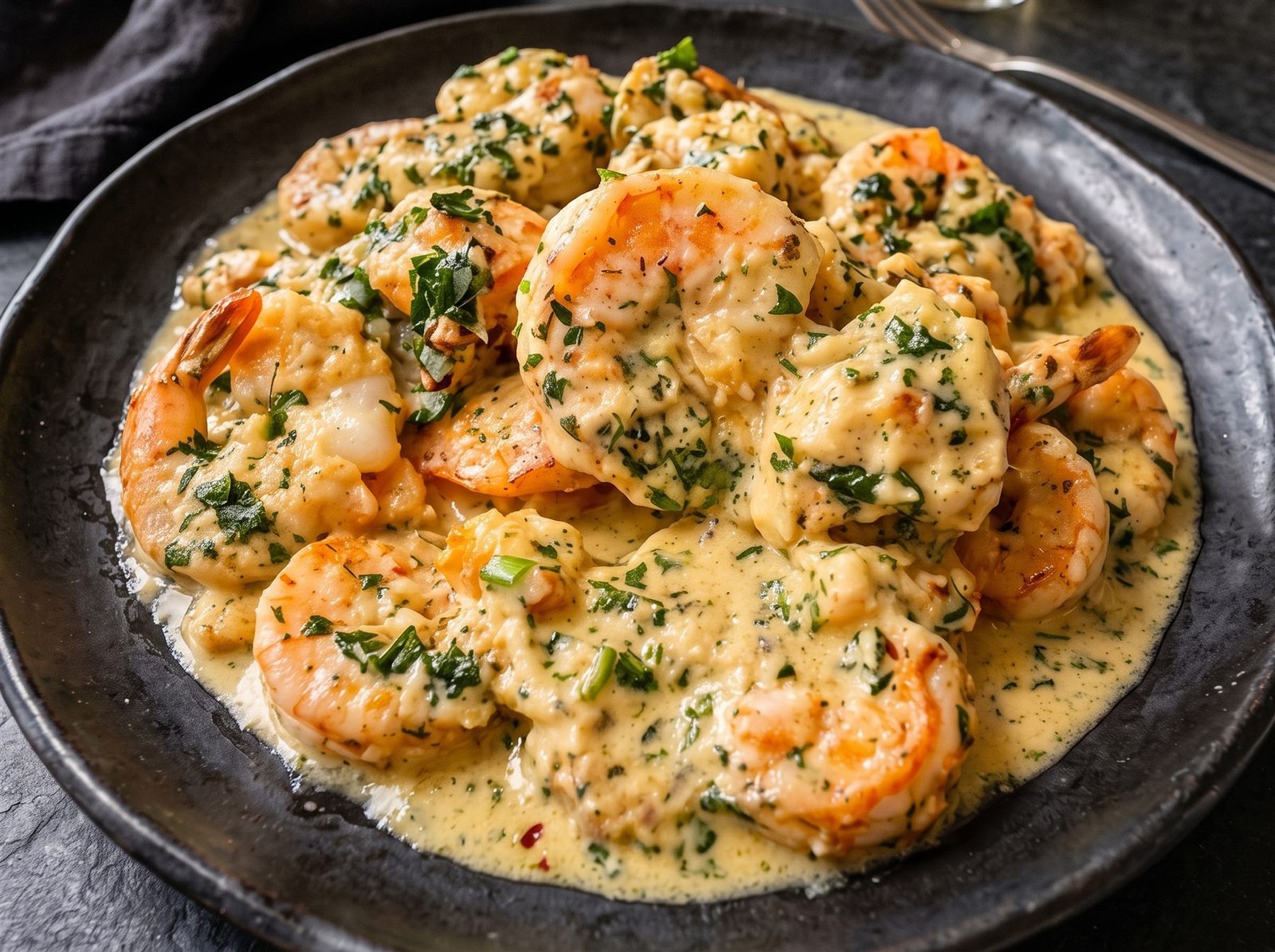
Creamy garlic Parmesan shrimp brings tender, lightly golden shrimp together with a smooth skillet sauce built from whole garlic cloves, fish broth, heavy cream, Parmesan, lemon, oregano, and parsley. The method keeps the shrimp from sitting in the sauce too long: they are cooked first, transferred to a plate, and returned only after the sauce is ready.
What makes this version distinctive is the way the garlic is handled. Instead of mincing raw garlic directly into the sauce, the whole cloves soften gently in butter and olive oil. They are then mashed into the pan drippings, giving the sauce a mellow garlic base that spreads through every spoonful.
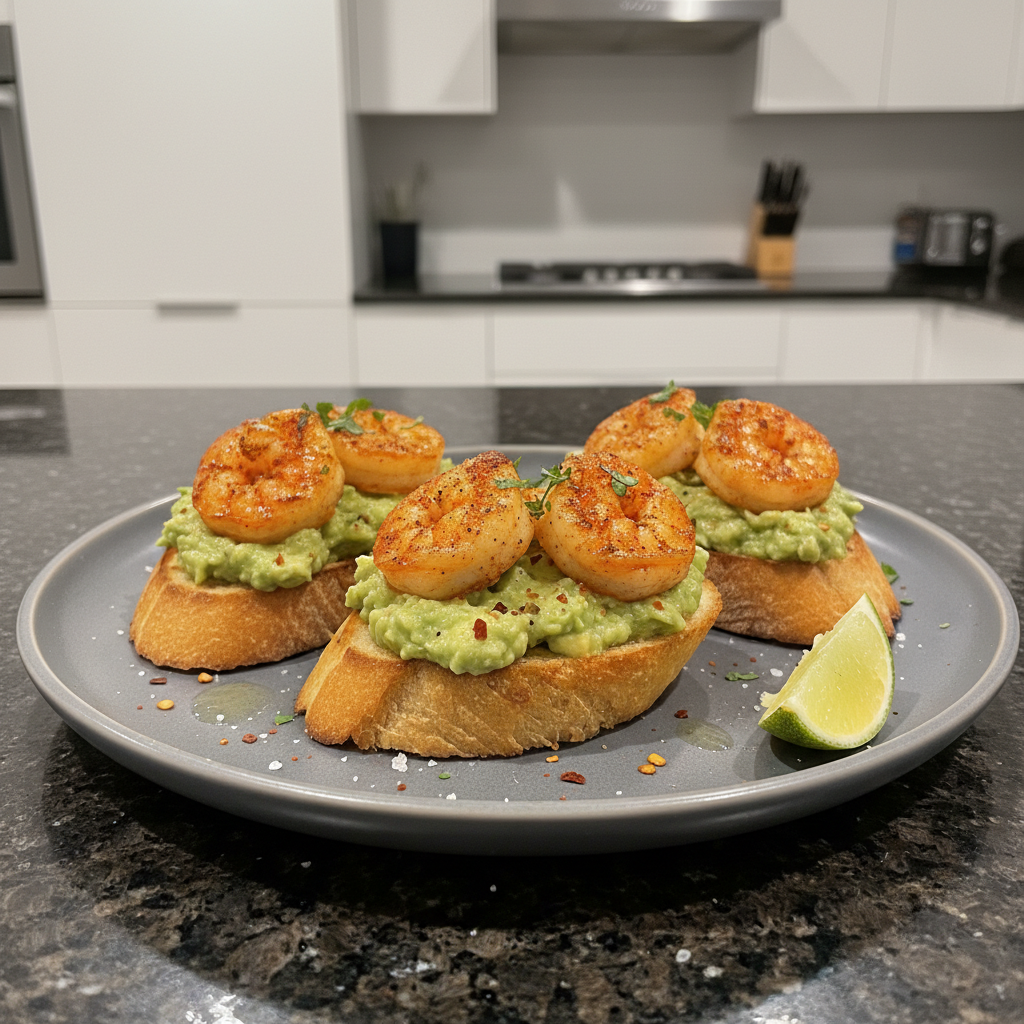
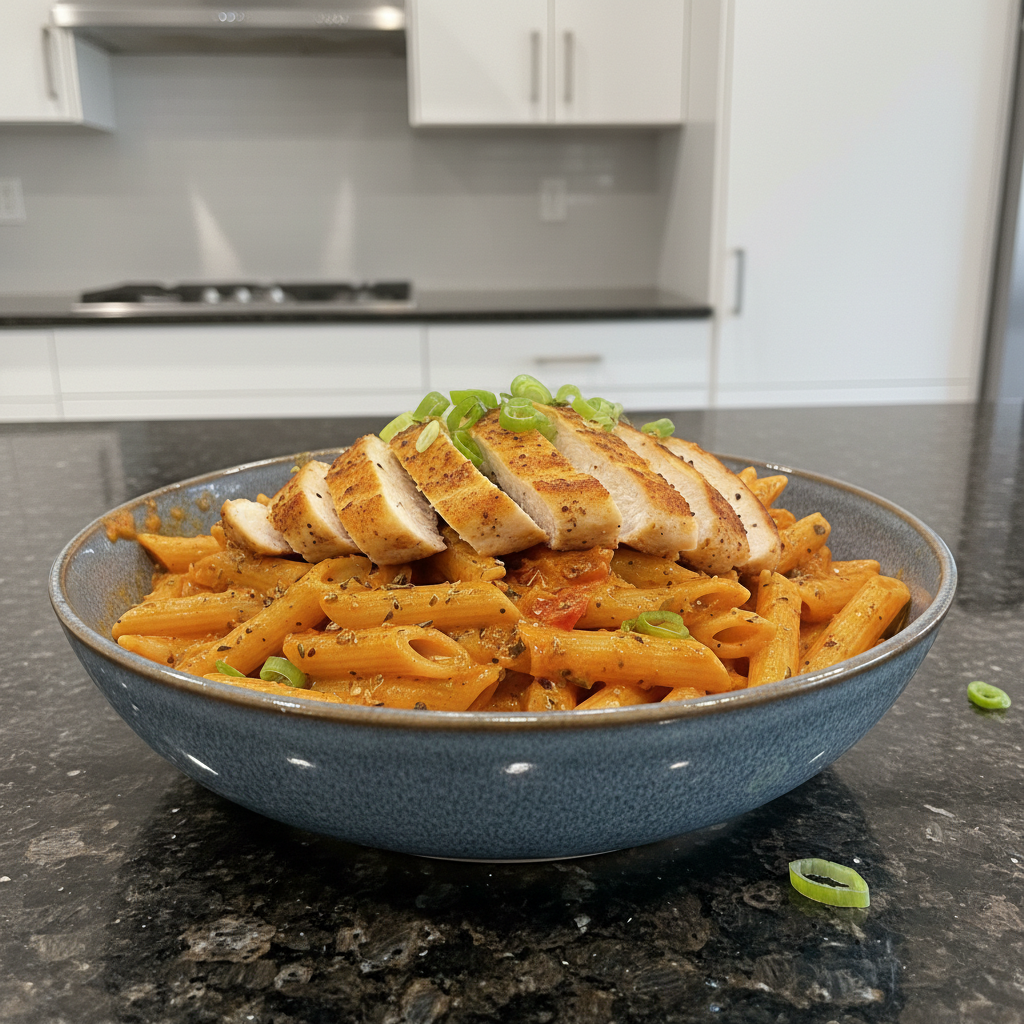
For another creamy seafood dinner from Easy as Meals, see this Marry Me shrimp pasta recipe. If you are looking for a seafood appetizer instead, the site’s shrimp crostini is a separate option with toasted bread and avocado.
Why This Creamy Garlic Parmesan Shrimp Works
The recipe uses the same skillet from start to finish, so the browned flavor left after cooking the shrimp becomes part of the sauce. Fish broth loosens those flavorful bits before the cream is added.
Cooking the shrimp separately from the sauce also gives you better control. Once the shrimp are pink and lightly golden, they leave the heat. The sauce can then simmer, the Parmesan can melt, and the garlic can blend into the cream without continuing to cook the shrimp.
Finally, the sauce balances richness with small but important amounts of lemon juice, oregano, and parsley. The lemon brings contrast, while the herbs add freshness without hiding the garlic and Parmesan.
If you enjoy the combination of seafood, cream, herbs, and lemon, Easy as Meals also has a separate creamy lemon dill salmon pasta with its own ingredients and method.
Ingredients You’ll Need
Large shrimp
The recipe uses 8–10 large shrimp, peeled with the tails left on. Keep this amount and preparation exactly as supplied unless the owner approves a change. The FDA’s guide to selecting and handling fresh or frozen seafood safely is a useful reference when buying or thawing shrimp.
For shoppers who want to compare sourcing options, Monterey Bay Aquarium’s Seafood Watch shrimp recommendations provide current ratings by source and production method.
Butter and olive oil
Butter and a drizzle of olive oil create the cooking base for creamy garlic Parmesan shrimp. They also carry the flavor into the sauce after the shrimp leave the pan.
Whole garlic cloves
Four garlic cloves are softened whole rather than minced at the beginning. Once tender, they are mashed directly into the buttery pan drippings.
Salt and black pepper
The shrimp are seasoned with salt and freshly ground black pepper before they are cooked on both sides.
Red onion
Finely diced red onion is sautéed after the softened garlic has been mashed. The small dice helps the onion soften into the sauce base.
Fish broth
Fish broth is added before the cream. Stir it through the skillet to lift the browned flavor from the bottom of the pan.
Heavy cream and Parmesan
Heavy cream forms the sauce, while finely grated Parmesan adds savory flavor and helps the sauce become smooth and slightly thickened.
Lemon, oregano, and parsley
The sauce is finished with fresh lemon juice, dried oregano, and finely chopped fresh parsley. Keep these ingredients exactly as supplied rather than replacing them automatically.
No substitutions are included because none were supplied or approved with the original recipe.
How to Make Creamy Garlic Parmesan Shrimp
1. Soften the whole garlic cloves
Heat a skillet, then melt the butter with a drizzle of olive oil. Add the four whole garlic cloves and cook them gently until they soften. Keep the heat controlled so the garlic does not burn.
This stage prepares the garlic to be mashed later. The goal is soft garlic, not deeply browned or crisp garlic.
2. Cook and season the shrimp
Add the 8–10 large shrimp to the skillet. Season them with salt and freshly ground black pepper. Cook the shrimp on both sides until they are pink and lightly golden.
Transfer the shrimp to a plate as soon as they are cooked and set them aside. Do not leave them in the skillet while the sauce is being made.
3. Mash the garlic and soften the onion
Mash the softened garlic cloves directly into the butter, olive oil, and pan drippings until they form a paste. Add the finely diced red onion and sauté until the onion is softened and translucent.
Take care to keep the garlic moving with the onion so it does not catch on the bottom of the skillet.
4. Deglaze with fish broth
Pour in the fish broth. Let it simmer briefly while stirring and scraping the bottom of the skillet to lift the flavorful browned bits.
This is where the flavor left by the shrimp becomes part of the sauce instead of staying behind in the pan.
5. Build the Parmesan cream sauce
Add the heavy cream and stir until combined. Season the sauce with dried oregano and a squeeze of fresh lemon juice.
Stir in the finely chopped parsley and grated Parmesan. Continue stirring gently until the cheese has melted and the sauce is smooth, creamy, and slightly thickened.
6. Return the shrimp to the skillet
Add the cooked shrimp back to the sauce. Toss gently until every shrimp is coated, then remove the skillet from the heat.
Plate the shrimp immediately and spoon the extra garlic Parmesan sauce over the top.
Technique Notes for a Smooth Sauce
Keep the garlic over controlled heat
Whole garlic cloves need enough time to soften, but high heat can darken the outside before the center becomes mashable. Gentle heat protects the garlic from burning and turning bitter.
Remove the shrimp before making the sauce
The recipe intentionally moves the cooked shrimp to a plate. That pause protects their texture while the onion softens and the cream sauce thickens. Return them only for the final coating.
Grate the Parmesan finely
For smooth creamy garlic Parmesan shrimp, the recipe specifies finely grated Parmesan. Smaller pieces melt more easily into the cream and are less likely to remain as firm strands or clumps.
Stir gently once the dairy is added
After adding the cream and Parmesan, steady, gentle stirring helps the cheese melt into the liquid. The sauce should become smooth and slightly thickened before the shrimp go back into the skillet.
Common Problems and What to Check
The garlic is browning too quickly
Lower the heat. The recipe calls for gently softened garlic, not fried garlic. If the cloves are taking on color before they become soft, the pan is too hot.
The shrimp are becoming firm or rubbery
Transfer them out of the skillet as soon as they are pink and lightly golden. They should not remain in the pan throughout the sauce-making stage.
For an additional safety check, FoodSafety.gov advises cooking shrimp until the flesh is pearly or white and opaque. This external guidance supports the supplied visual cue without changing the recipe method.
The Parmesan is not melting smoothly
Confirm that it is finely grated and keep stirring gently through the warm cream. Avoid adding extra unverified ingredients to force a different texture.
The sauce seems loose
Continue the supplied step only until the Parmesan melts and the sauce becomes slightly thickened. Do not add flour, cornstarch, or extra cheese because those ingredients are not part of the preserved recipe.
Serving Ideas
Serve creamy garlic Parmesan shrimp immediately with the extra sauce spooned over the top. Because the recipe produces a creamy pan sauce, it can be paired at the table with a simple starch or bread if desired. Those accompaniments are serving suggestions only and are not additions to the ingredient list.
For a different creamy skillet dinner, see the site’s one-pot creamy Cajun chicken pasta. Readers planning several garlic-forward meals can also browse this crockpot honey garlic chicken, which is a separate slow-cooker recipe.
Specific storage, reheating, freezing, and make-ahead instructions are not included because they were not supplied or verified for this recipe.
Frequently Asked Questions
Why does this recipe start with whole garlic cloves?
Creamy garlic Parmesan shrimp starts with whole garlic cloves because they are cooked gently until soft, then mashed into the butter, olive oil, and shrimp drippings. This creates a mellow garlic paste that blends into the sauce.
Why are the shrimp removed from the skillet?
The onion, broth, cream, herbs, and Parmesan still need to be combined after the shrimp are cooked. Removing the shrimp limits their exposure to heat while the sauce comes together.
When is the lemon juice added?
Fresh lemon juice is added after the heavy cream, together with the oregano, parsley, and Parmesan.
Can I add pasta directly to the recipe?
Pasta is not part of the supplied recipe. It may be served alongside the finished shrimp, but it should not be added to the recipe card or method without the owner’s approval.
Can I remove the shrimp tails?
The preserved recipe specifies peeled shrimp with the tails on. Any change to that preparation should be confirmed with the owner instead of being made silently.
How do I know the sauce is ready?
The creamy garlic Parmesan shrimp sauce is ready when the Parmesan has melted and the sauce looks smooth, creamy, and slightly thickened before the shrimp are returned to the skillet.
Creamy Garlic Parmesan Shrimp
Ingredients
Equipment
Method
- Heat a skillet and melt the butter with a drizzle of olive oil.
- Add the whole garlic cloves and gently cook them in the butter and oil.
- Add the shrimp and season with salt and freshly ground black pepper.
- Cook the shrimp on both sides until pink and lightly golden, then remove them from the skillet and set aside.
- Mash the softened garlic cloves directly into the buttery pan drippings until they form a paste.
- Add the finely diced red onion and sauté until softened and translucent.
- Pour in the fish broth and allow it to simmer briefly.
- Add the heavy cream and stir until combined.
- Season the sauce with dried oregano and a squeeze of fresh lemon juice.
- Stir in the finely chopped parsley and grated Parmesan.
- Continue stirring until the Parmesan melts and the sauce becomes smooth, creamy, and slightly thickened.
- Return the cooked shrimp to the skillet and gently toss until completely coated in the creamy garlic sauce.
- Plate immediately and spoon extra sauce generously over the shrimp.
Notes

Lia Monet is a food blogger, recipe developer, and the founder of EasyAsMeals, a food blog focused on easy recipes, quick dinners, and everyday home cooking. She creates tested, family-friendly recipes using simple ingredients to help busy families cook affordable and delicious meals at home.