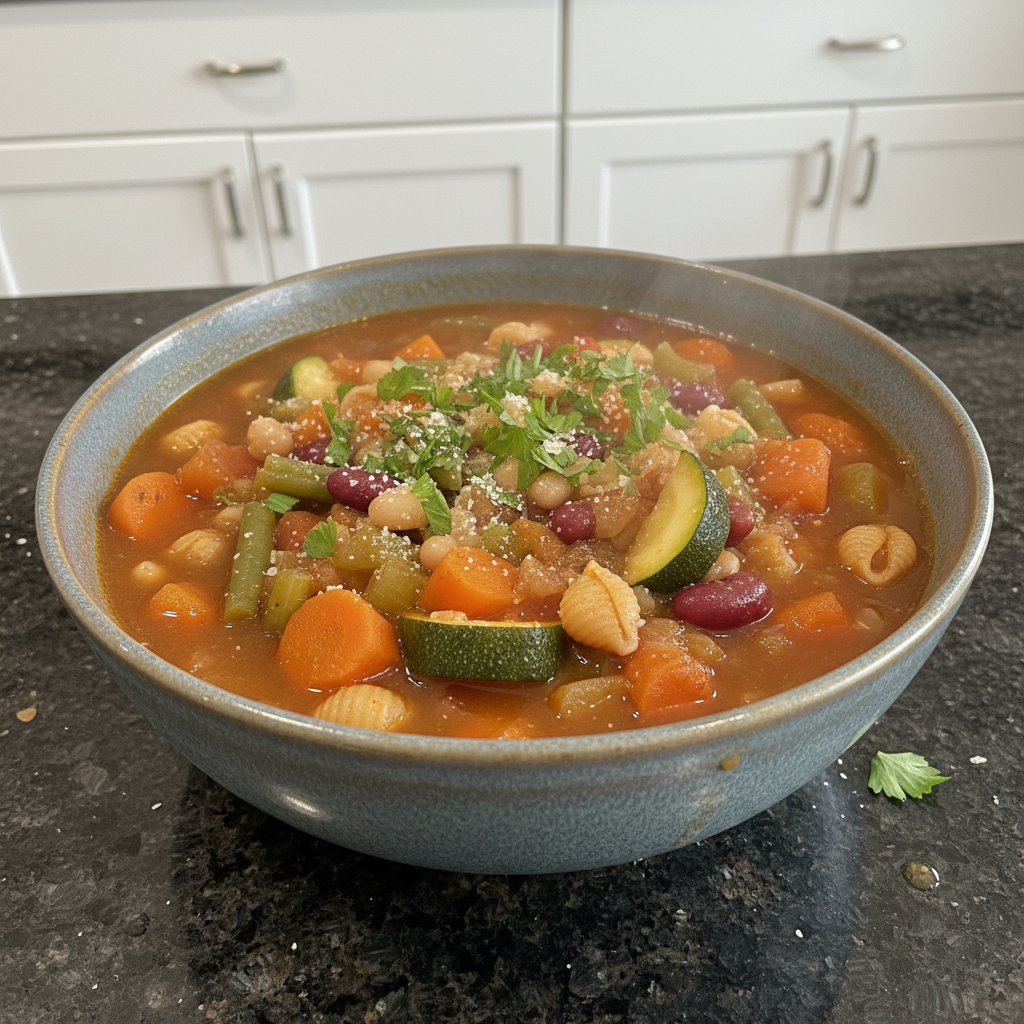
As the days grow shorter and the temperatures drop, there’s nothing I crave more than a warm, comforting bowl of soup. This hearty winter vegetable soup is packed with flavor and nutrients, making it the perfect meal for a chilly evening. Not only is it vegetarian, vegan, and gluten-free, but it’s also incredibly easy to make. Get ready to discover one of my favorite winter soup recipes, complete with a unique smoky twist that will leave you wanting more!
Why You’ll Love This Winter Soup Recipe
This isn’t your average vegetable soup. A few simple additions elevate it to something truly special.
Subtle Smoky Flavor: The addition of smoked paprika brings a delicious smoky depth that perfectly complements the sweetness of the roasted vegetables and the umami notes of the mushrooms.
Rich Vegetable Broth: Using vegetable broth instead of plain water creates a richer, more flavorful base for the soup, making it incredibly satisfying.
Easy and Accessible: This recipe uses readily available ingredients and requires minimal effort, making it perfect for busy weeknights.
Customizable: Feel free to use up any leftover vegetables you have on hand. It’s a great way to reduce food waste!
Budget-Friendly and Healthy: This soup is both affordable and packed with nutrients, making it a win-win for your wallet and your health.
Ingredients Needed
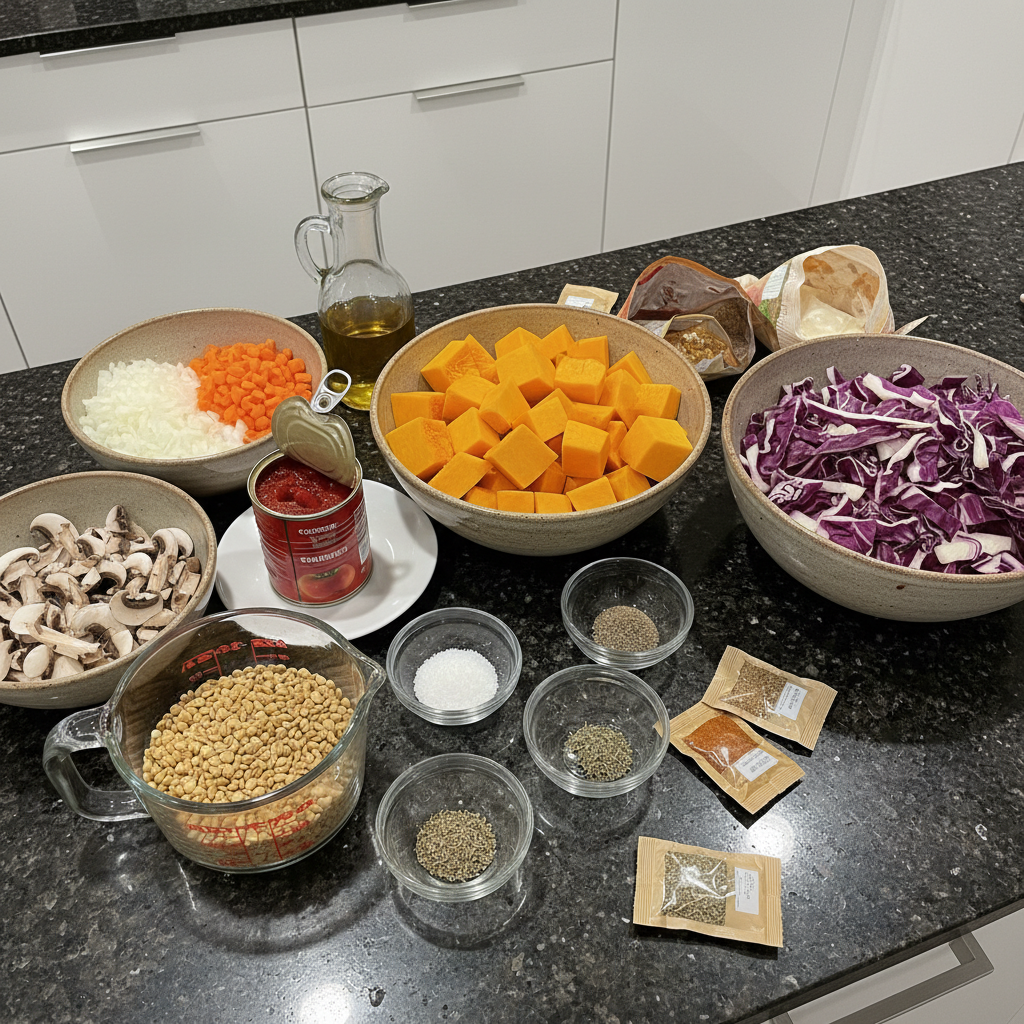
- 1½ pound cubed kabocha or butternut squash
- 2 tablespoons olive oil
- 1 teaspoon salt
- ⅛ teaspoon black pepper
- 2 tablespoons olive oil
- 5 tablespoons tomato paste ((3 oz, or 1/2 a can))
- 1 large onion ((1 large onion = about 8 oz/225g, diced))
- 10 cups water
- ½ cup yellow split peas ((rinsed and drained))
- 2 large carrots ((diced))
- 8 ounces button or cremini mushrooms ((diced))
- 1 pound cabbage ((roughly chopped))
- ½ teaspoon dried oregano
- 1 teaspoon dried thyme
- 6 dried bay leaves
- 1 teaspoon salt ((or to taste))
- ½ teaspoon ground black pepper
Ingredient Notes & Substitutions
Let’s dive into some key ingredients and how you can customize them.
Squash: Kabocha squash has a slightly sweeter and nuttier flavor than butternut squash. Butternut squash is a readily available and delicious alternative. Both roast beautifully.
Tomato Paste: This adds a concentrated umami flavor, deepening the overall taste of the soup. I prefer using Mutti tomato paste for its rich flavor.
Yellow Split Peas: These are essential for thickening the soup and adding a hearty texture. If you can’t find yellow split peas, adzuki beans can be used as a substitute.
Mushrooms: Both button and cremini mushrooms work wonderfully in this soup, providing an earthy umami flavor that enhances the overall depth. Feel free to use a mix!
Vegetable Broth: Using vegetable broth instead of plain water elevates the flavor profile, adding another layer of complexity. Low-sodium broth is ideal to control salt levels.
How to Make Winter Soup Recipes
Follow these simple steps to create a warming and flavorful winter soup.
Step 1: Roasting the Squash
Preheat the oven to 375°F/190°C. On a parchment-lined sheet pan, toss the cubed squash with the olive oil, salt, and pepper. Roast for 30 minutes, until the edges are browning and a sweet aroma fills your kitchen. Using parchment paper ensures the squash doesn’t stick and makes cleanup a breeze.
Step 2: Sautéing Aromatics
In a large soup pot over medium-low heat, add the olive oil, tomato paste, and diced onion. Cook for a few minutes until the onion turns translucent, stirring often to avoid burning. Now for the secret ingredient: add ¼ teaspoon of smoked paprika to the onions and tomato paste. The heat will bloom the spice, releasing its smoky fragrance and enhancing the flavor of the soup. The fragrance of the sauteed onion and smoked paprika is amazing!
Step 3: Simmering the Soup
Next, add the water, rinsed and drained yellow split peas, diced carrots, diced mushrooms, roughly chopped cabbage, dried oregano, dried thyme, bay leaves, salt, and pepper. Add the roasted squash. Bring the mixture to a boil over high heat. Once boiling, reduce the heat to medium, cover, and cook for 30 minutes to an hour, depending on how tender you like your vegetables. The soup will thicken as it simmers, and the vegetables will soften beautifully.
Making it Low-Sodium
Reducing the sodium in this soup is easy!
Use low-sodium vegetable broth to significantly decrease the sodium content.
Adjust or omit the added salt, tasting as you go.
Tomato paste can be naturally salty, so consider using a bit less. Experiment with herbs and spices like parsley, basil, or garlic powder to add flavor without salt.
Pro Tips & Troubleshooting
Pro Tips
- Roast the squash for longer to get extra caramelization and enhanced sweetness.
- Bloom the dried herbs in the olive oil before adding the other ingredients to fully release their flavors.
- Don’t skip roasting the squash! It adds so much more flavor than simply boiling it.
- Adjust the amount of smoked paprika to your personal preference.
- Use a high-quality tomato paste for the best, richest flavor.
- Add a splash of lemon juice at the end to brighten the flavors.
Common Mistakes to Avoid
- Burning the onions or tomato paste – stir frequently to prevent sticking.
- Overcooking the vegetables – check for tenderness regularly.
- Not using enough seasoning – taste and adjust as needed.
- Adding too much water – start with less and add more if needed.
Serving & Storage
Serving Ideas
Serve this delicious soup with a slice of crusty bread or a grilled cheese sandwich for a complete meal. A dollop of sour cream or Greek yogurt adds a creamy tang (if you’re not vegan). Garnish with fresh herbs like parsley or thyme for a pop of freshness. For an extra touch, add about a pound of crispy pork belly, and some spicy chili crisp.
Storage and Make-Ahead
Leftovers can be stored in the refrigerator for up to 3 days. For longer storage, freeze the soup in freezer-safe containers, leaving some room for expansion. Label the containers with the date. The soup can be reheated on the stovetop or in the microwave until heated through. To prevent mushy vegetables when reheating, avoid overcooking and ensure the soup reaches a safe internal temperature of 165°F (74°C). To learn more about safe internal temperatures for food, you can visit the USDA website.
Conclusion
This smoky winter vegetable soup is a simple yet incredibly delicious way to warm up on a cold day. The unique addition of smoked paprika elevates the flavor, creating a truly memorable dish. Don’t be afraid to experiment with different vegetables and seasonings to make it your own. If you enjoy hearty soups, you might also like to try this unstuffed cabbage roll soup recipe today and share your creation with us!
FAQ
Here are some frequently asked questions about this recipe:
Can I freeze this soup, and how long will it last?
Yes, this soup freezes beautifully! Allow the soup to cool completely before transferring it to freezer-safe containers or bags. Be sure to leave some headspace, as the soup will expand as it freezes. It can be stored in the freezer for up to 2-3 months.
What are good substitutes for yellow split peas?
If you can’t find yellow split peas, you can substitute other types of beans, such as adzuki beans, or even lentils. Small pasta shapes, like ditalini, can also be used to add texture.
How can I adjust the recipe if I don’t have all the suggested vegetables?
Feel free to use whatever vegetables you have on hand! This recipe is very flexible. For example, you can easily substitute spinach or kale for the cabbage, or add other root vegetables like parsnips or turnips.
How do I ensure the vegetables don’t become mushy?
The key is not to overcook the soup. Cut the vegetables into uniform sizes so they cook evenly. Check for tenderness regularly and remove the soup from the heat once the vegetables are cooked through but still have some bite.
Is this soup suitable for babies and toddlers, and what adjustments should I make?
Yes, this soup can be a great option for babies and toddlers. For younger babies, you can puree the soup to a smooth consistency. Omit or reduce the amount of added salt and spices to suit their taste preferences.
How can I make this soup spicier or add more heat?
If you like a bit of heat, you can add a pinch of red pepper flakes, a dash of cayenne pepper, or a drizzle of your favorite hot sauce to the soup. Looking for more spicy options? Check out this hot chicken chili recipe.
Why are my yellow split peas not getting very soft?
Sometimes yellow split peas can take a while to soften. Soaking them in water for a few hours before cooking can help. Also, make sure you’re using fresh split peas, as older ones may take longer to cook. If they’re still not soft after an hour of simmering, simply increase the cooking time.
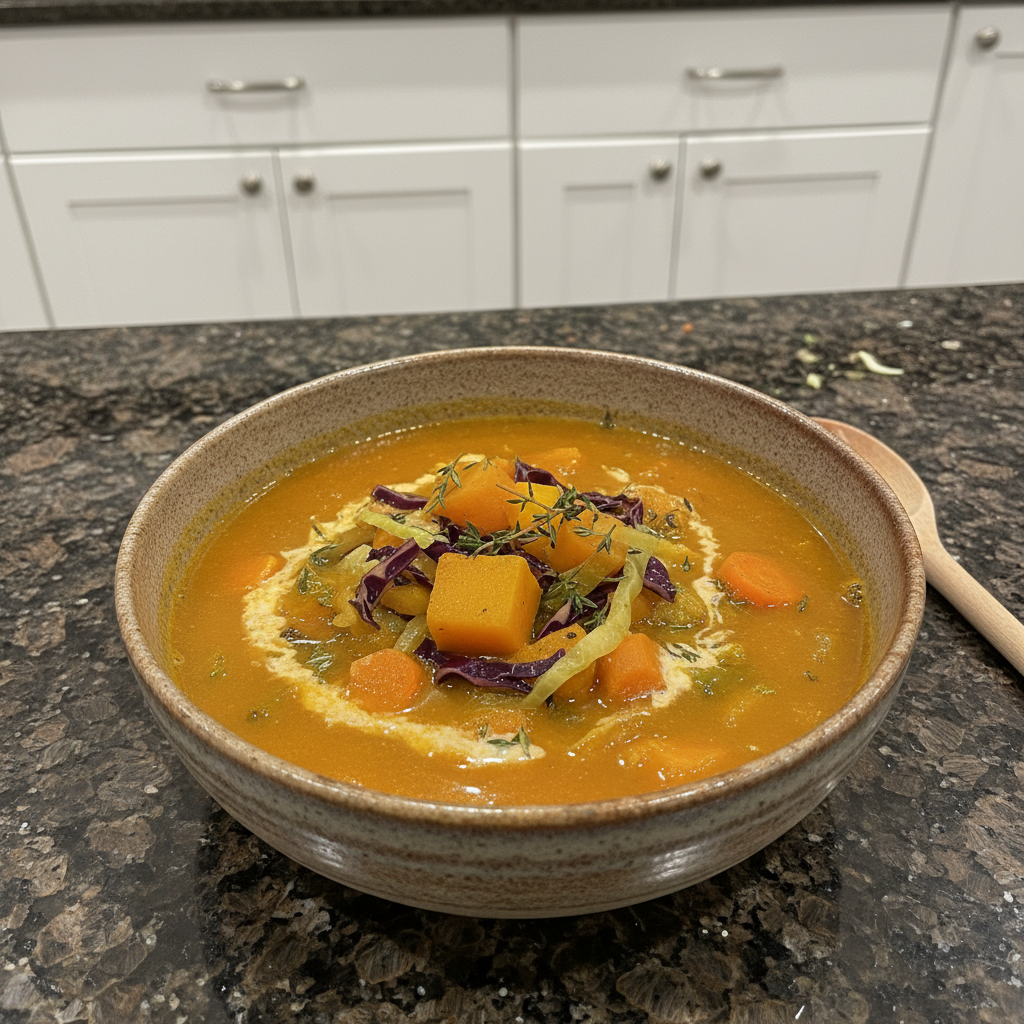
Hearty Winter Soup Recipes: Smoky & Nourishing
Ingredients
Equipment
Method
- Preheat the oven to 375°F/190°C.
- On a parchment-lined sheet pan, toss the cubed squash with the olive oil, salt, and pepper.
- Roast for 30 minutes, until the edges are browning.
- In a large soup pot over medium-low heat, add the olive oil, tomato paste, and diced onion.
- Cook for a few minutes until the onion turns translucent, stirring often to avoid burning.
- Add ¼ teaspoon of smoked paprika to the onions and tomato paste.
- Add the water, rinsed and drained yellow split peas, diced carrots, diced mushrooms, roughly chopped cabbage, dried oregano, dried thyme, bay leaves, salt, and pepper. Add the roasted squash.
- Bring the mixture to a boil over high heat.
- Once boiling, reduce the heat to medium, cover, and cook for 30 minutes to an hour, depending on how tender you like your vegetables.
Notes

Lia Monet is a food blogger, recipe developer, and the founder of EasyAsMeals, a food blog focused on easy recipes, quick dinners, and everyday home cooking. She creates tested, family-friendly recipes using simple ingredients to help busy families cook affordable and delicious meals at home.