Are you looking for a delicious and easy way to improve your gut health naturally? Look no further than water kefir! This fermented beverage is dairy-free, vegan, and packed with probiotics. Our easy Water Kefir Recipe will guide you through the process of making your own refreshing and gut-friendly drink at home. You’ll not only learn how to make water kefir, but also understand its incredible benefits and discover a unique twist for even better fermentation.
Why You’ll Love This Water Kefir Recipe
This water kefir recipe isn’t just about the basics. We’ve added a special twist to boost the mineral content and improve fermentation. Here’s why you’ll love it:
Unique Twist: We incorporate blackstrap molasses (1 tsp per quart) and suggest using spring water/mineral drops, and eggshells in your ferment.
Boosted Fermentation: Molasses provides trace minerals, and eggshells provide calcium which improve the vigor of the culture, leading to better fermentation, carbonation, and grain growth.
Easy to Make at Home: With just a few simple ingredients and steps, you can have your own probiotic-rich beverage.
Dairy-Free and Vegan-Friendly: A perfect alternative to traditional dairy-based kefir.
Great for Gut Health: Water kefir is teeming with beneficial probiotics that support a healthy digestive system.
Customizable Flavors: Get creative with different fruits and flavorings during the second fermentation.
Ingredients Needed
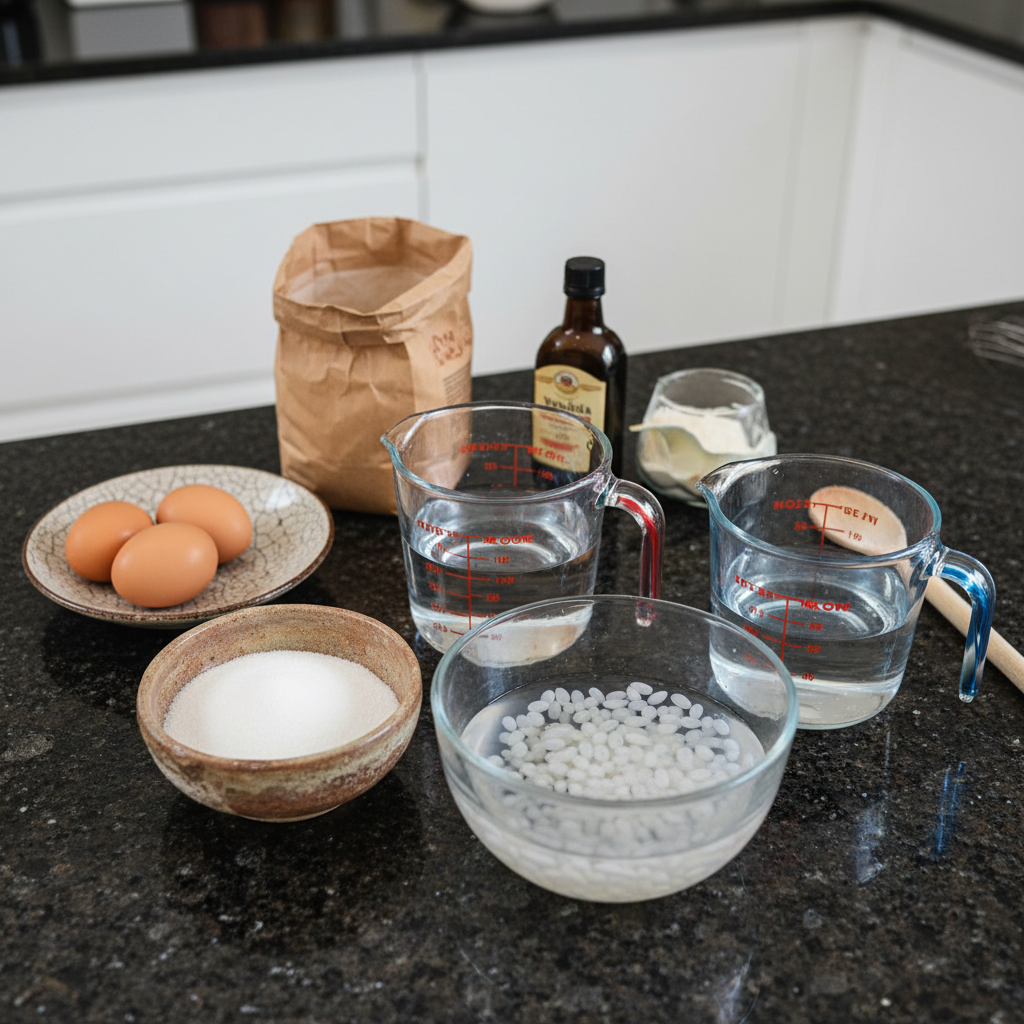
- Water
- Sugar*
- Fresh water kefir grains**
- Additional water, non-chlorinated
Ingredient Notes & Substitutions
Sugar: Organic blond sugar or turbinado sugar are the preferred choices for feeding your water kefir culture. These sugars provide the necessary nutrients for healthy fermentation. While refined white sugar can be used, it’s best to avoid it if possible.
Water: It’s crucial to use spring water or filtered water to avoid chlorine, which can harm the delicate kefir grains. If using filtered water, consider adding mineral drops to provide essential minerals for the grains.
Water Kefir Grains: Despite their name, water kefir grains are not actually grains. They are a symbiotic culture of bacteria and yeast (SCOBY) that resemble crystals. You can source them online or at health food stores. Dehydrated grains are also available and need to be activated before use by rehydrating them in a sugar water solution for a few days. For more information, you might find this article on water kefir on Wikipedia helpful.
Dairy-free/Gluten-free: Water kefir is naturally dairy-free and gluten-free, making it a great choice for those with dietary restrictions.
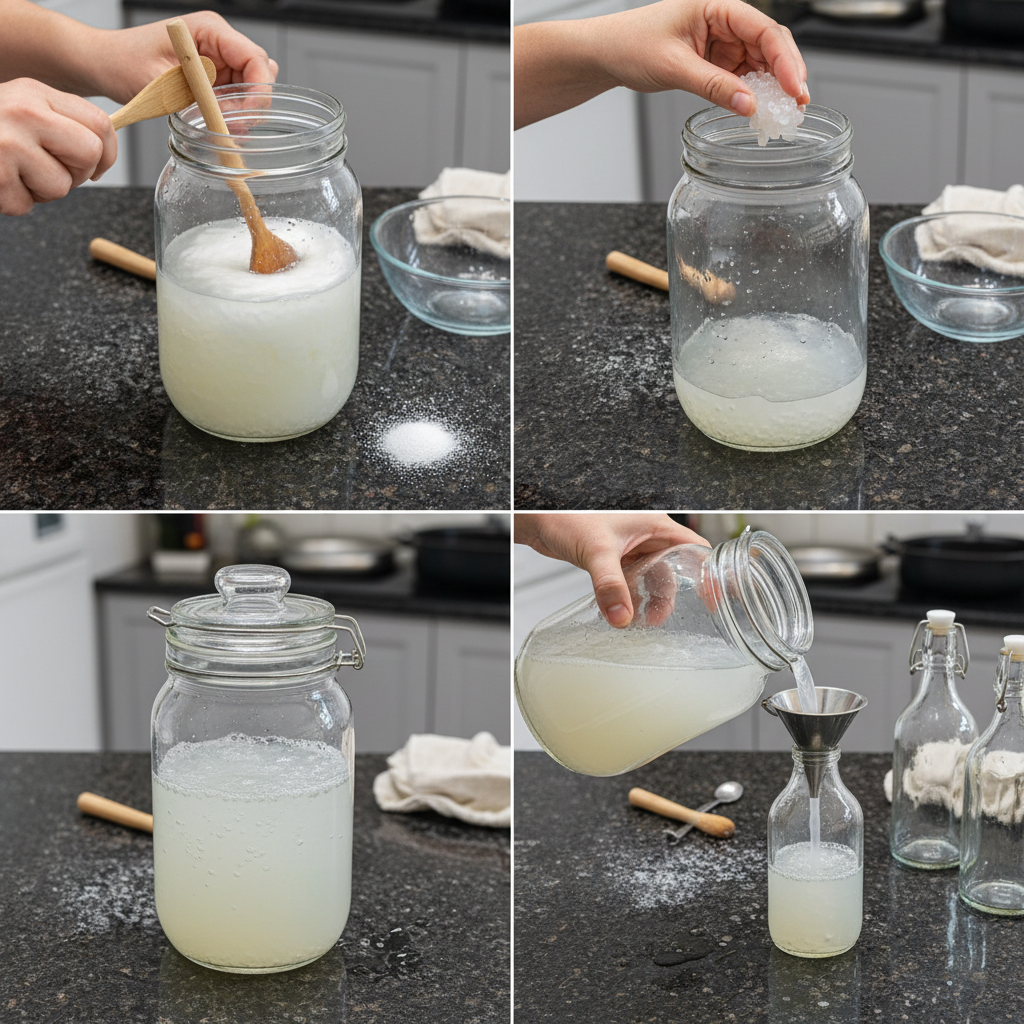
How to Make Water Kefir
Step 1: Prepare Your Equipment
Set up your Proofer (or a warm location) with clean equipment. The clean glass jars should be sparkling, ensuring no unwanted bacteria interferes with the fermentation process. Cleanliness is key to successful water kefir making.
Step 2: Make the Water Mixture
Combine all the sugar with 1 cup (250 ml) of water and heat, stirring, until the sugar dissolves completely (about 150 °F / 65 °C). Completely dissolving the sugar is essential for the kefir grains to feed properly. Remove from heat and cool for ten minutes. It is a common mistake to not let the sugar water cool down enough before adding the grains.
Step 3: Transfer to Mason Jars
Transfer the warm sugar water to mason jars, dividing evenly between jars if using more than one. Add additional non-chlorinated water to the jars to fill, leaving a small space at the top to prevent spills. The space at the top also allows the kefir to properly carbonate.
Step 4: Check the Temperature
Before adding the culture, make sure the sugar-water mixture is below 85 °F / 29 °C. Adding the grains to water that is too hot will damage them.
Step 5: Add the Water Kefir Grains and Cover
Add the grains to the sugar water, using about 2 tablespoons (5.5 g) of grains for each quart (liter). Cover the jars with a breathable cover such as a coffee filter or clean cloth, secured with a rubber band. The culture does not require oxygen, but a breathable cover prevents leaks and explosions and also helps minimize trace alcohol levels produced by the culture.
Step 6: Ferment for 48 Hours
Place jar(s) in the Proofer to ferment. For the most accurate temperature control, arrange the jars so that they are not directly over the center of the Proofer. Allow the culture to ferment for two days (48 hrs) at 75 °F / 24 °C. For a riper flavor or stronger carbonation, the temperature can be increased to 78 °F / 26 °C, or up to 82 °F / 28 °C. When the water kefir is done, the surface will have a few visible bubbles, it will smell a bit yeasty (like bread dough), and should taste mild and slightly sweet. Even though the acidity will have increased with the pH at about 4.3-4.5 at this point, the water kefir will not yet taste very tart.
Understanding the Probiotic Benefits of Water Kefir
Water kefir is a powerhouse of probiotics, offering a diverse range of beneficial bacteria and yeasts that contribute to a healthy gut. These probiotics aid in digestion and can boost your immune system. Specific probiotic strains often found in water kefir include various species of Lactobacillus, Bifidobacterium, and Saccharomyces. Compared to yogurt, kombucha, and milk kefir, water kefir offers a unique probiotic profile, often being milder and more easily tolerated. The probiotics in water kefir support gut health by improving digestion and strengthening the immune system.
Troubleshooting Common Water Kefir Problems
Like any fermentation project, water kefir can sometimes present challenges. Here are some common issues and how to solve them:
Slow Fermentation: This could be due to several factors, including temperature, mineral content, or grain health. Ensure a consistent temperature of 75-78°F (24-26°C), add a pinch of blackstrap molasses or mineral drops, and make sure your grains are healthy and actively growing.
Off Flavors: Contamination or the type of sugar used can cause off flavors. Always use clean equipment and try using organic blond sugar or turbinado sugar instead of refined white sugar.
Lack of Carbonation: Sugar content, temperature, and sealing all affect carbonation. Try a second fermentation with fruit juice in a sealed swing-top bottle to increase carbonation. Burp the bottles daily to avoid explosions.
Mold: Mold is a serious issue. If you see any fuzzy or discolored growth, discard the entire batch and start fresh, ensuring all equipment is thoroughly sterilized.
Pro Tips & Troubleshooting
Pro Tips
- Use less refined sugar like organic blond sugar or turbinado for better nutrient supply.
- Add a small amount of blackstrap molasses (1 tsp per quart) for enhanced mineral content and fermentation.
- Maintain a consistent temperature (75-78°F / 24-26°C) for optimal results.
- Use spring water or add mineral drops to your water.
- Don’t overcrowd the grains; give them enough space to thrive.
- Consider using eggshells to provide calcium.
Common Mistakes to Avoid
- Using honey, which can harm the grains.
- Using aluminum funnels or containers.
- Adding grains to sugar water that is too hot (above 85°F / 29°C).
- Using chlorinated water.
- Over-fermenting, leading to a sour taste.
- Not burping bottles during second fermentation, risking explosions.
Serving & Storage
Serving Ideas
- Drink plain water kefir chilled.
- Use it as a base for smoothies. Speaking of smoothies, you might enjoy this best kale mango smoothie recipe.
- Mix with fruit juice or flavored syrups.
- Create popsicles by blending with fruit and freezing.
- Use in salad dressings or marinades.
Storage and Make-Ahead
- Store water kefir in the refrigerator for up to 1-2 weeks.
- For longer storage of grains, dehydrate them or store them in a sugar-water solution in the refrigerator.
- Reactivate dormant grains by placing them in fresh sugar water.
Conclusion
Making water kefir at home is easy, rewarding, and incredibly beneficial for your gut health. Remember our unique twist of adding molasses for enhanced mineral content and better fermentation! Don’t be intimidated if you’re a beginner; this recipe is simple and straightforward. Feel free to experiment with different fruits and flavors during the second fermentation to create your own signature water kefir. Share this recipe with friends and family and spread the gut-healthy goodness!
FAQ
What is water kefir and what are its benefits? Water kefir is a fermented beverage made with water kefir grains. It’s packed with probiotics that promote gut health, improve digestion, and boost the immune system. You can read more about the benefits of probiotics on Harvard’s School of Public Health website.
What are water kefir grains made of and where can I get them? Water kefir grains are a symbiotic culture of bacteria and yeast (SCOBY). You can purchase them online or at health food stores.
How do I troubleshoot common water kefir problems (slow fermentation, off flavors)? For slow fermentation, ensure a consistent temperature and add minerals. Off flavors can be resolved by using clean equipment and better-quality sugar. See the troubleshooting section above for more details.
What kind of sugar is best for water kefir and why? Organic blond sugar or turbinado sugar are best because they provide the necessary minerals for the kefir grains to thrive. Have you considered using this process for homemade chamoy sauce?
How long can I store water kefir and kefir grains? You can store water kefir in the refrigerator for up to 1-2 weeks. For long-term storage of grains, dehydrate them or store them in a sugar-water solution in the refrigerator.
How is water kefir different from milk kefir or kombucha? Water kefir is dairy-free and uses different bacteria and yeasts than milk kefir. Compared to kombucha, it generally has a milder flavor and a different fermentation process.
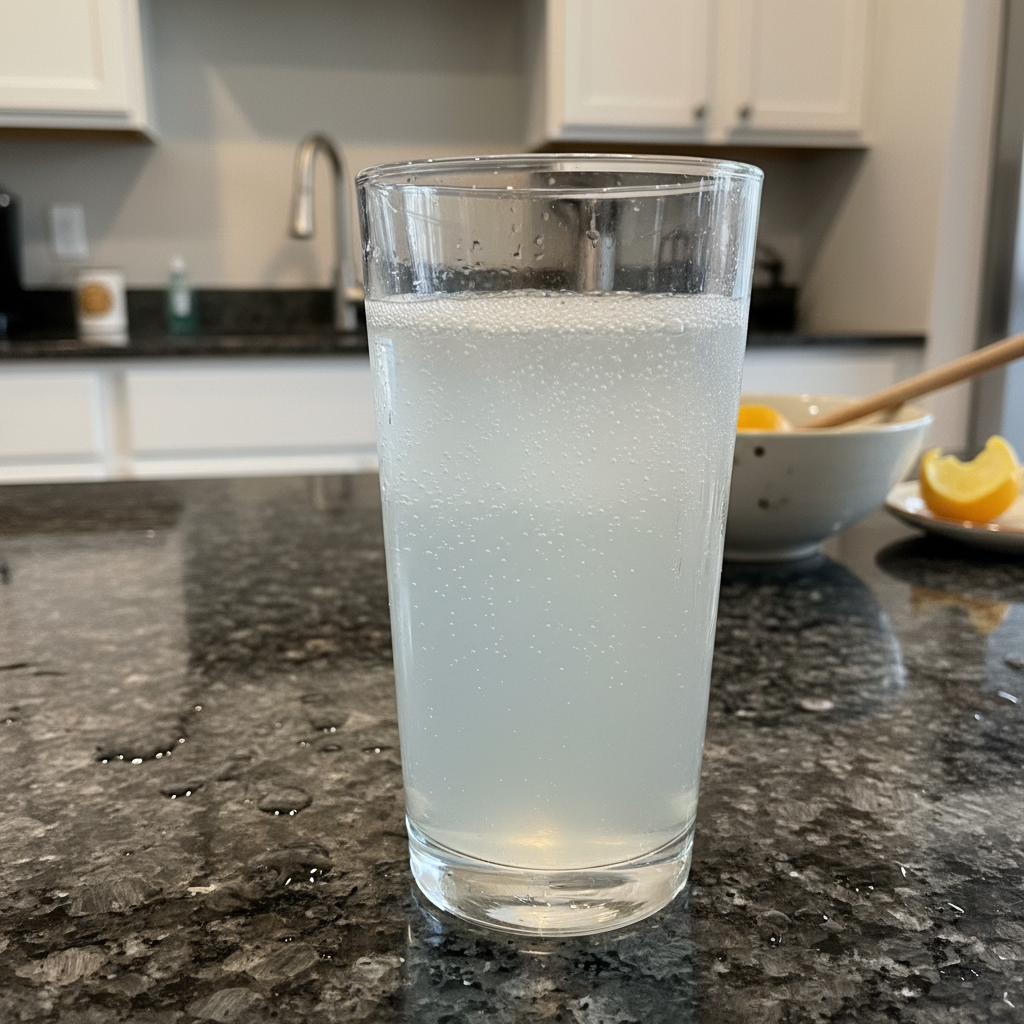
Easy Water Kefir Recipe
Ingredients
Equipment
Method
- Set up your Proofer (or a warm location) with clean equipment. The clean glass jars should be sparkling, ensuring no unwanted bacteria interferes with the fermentation process. Cleanliness is key to successful water kefir making.
- Combine all the sugar with 1 cup (250 ml) of water and heat, stirring, until the sugar dissolves completely (about 150 °F / 65 °C). Completely dissolving the sugar is essential for the kefir grains to feed properly. Remove from heat and cool for ten minutes. It is a common mistake to not let the sugar water cool down enough before adding the grains.
- Transfer the warm sugar water to mason jars, dividing evenly between jars if using more than one. Add additional non-chlorinated water to the jars to fill, leaving a small space at the top to prevent spills. The space at the top also allows the kefir to properly carbonate.
- Before adding the culture, make sure the sugar-water mixture is below 85 °F / 29 °C. Adding the grains to water that is too hot will damage them.
- Add the grains to the sugar water, using about 2 tablespoons (5.5 g) of grains for each quart (liter). Cover the jars with a breathable cover such as a coffee filter or clean cloth, secured with a rubber band. The culture does not require oxygen, but a breathable cover prevents leaks and explosions and also helps minimize trace alcohol levels produced by the culture.
- Place jar(s) in the Proofer to ferment. For the most accurate temperature control, arrange the jars so that they are not directly over the center of the Proofer. Allow the culture to ferment for two days (48 hrs) at 75 °F / 24 °C. For a riper flavor or stronger carbonation, the temperature can be increased to 78 °F / 26 °C, or up to 82 °F / 28 °C. When the water kefir is done, the surface will have a few visible bubbles, it will smell a bit yeasty (like bread dough), and should taste mild and slightly sweet. Even though the acidity will have increased with the pH at about 4.3-4.5 at this point, the water kefir will not yet taste very tart.
Notes

Lia Monet is a food blogger, recipe developer, and the founder of EasyAsMeals, a food blog focused on easy recipes, quick dinners, and everyday home cooking. She creates tested, family-friendly recipes using simple ingredients to help busy families cook affordable and delicious meals at home.