Are you looking for a simple way to add a probiotic boost to your meals? Look no further than fermented onions! This recipe will show you how to make delicious and healthy fermented onions right in your own kitchen. Fermented onions are a tangy, flavorful condiment that’s incredibly easy to make. You’ll learn how to make amazing Fermented Onions with a simple recipe and a unique twist for better flavor and food safety.
Why You’ll Love This Recipe
This recipe includes a unique twist that makes the fermentation process easier, safer, and tastier.
Whey for the Win: Adding whey (or sauerkraut brine) jumpstarts the fermentation process. This gives you a more reliable result every single time.
Enhanced Flavor: The whey contributes beneficial bacteria that enhance the flavor of the fermented onions, giving them a more complex and appealing tang.
Probiotic Boost: Enjoy the gut-health benefits of probiotics with every bite of these delicious fermented onions.
Easy and Budget-Friendly: This recipe is incredibly simple and uses inexpensive ingredients, making it a great way to add flavor and health benefits to your diet without breaking the bank. Plus, fermented onions add a zesty kick to everything from burgers to salads!
Ingredients Needed
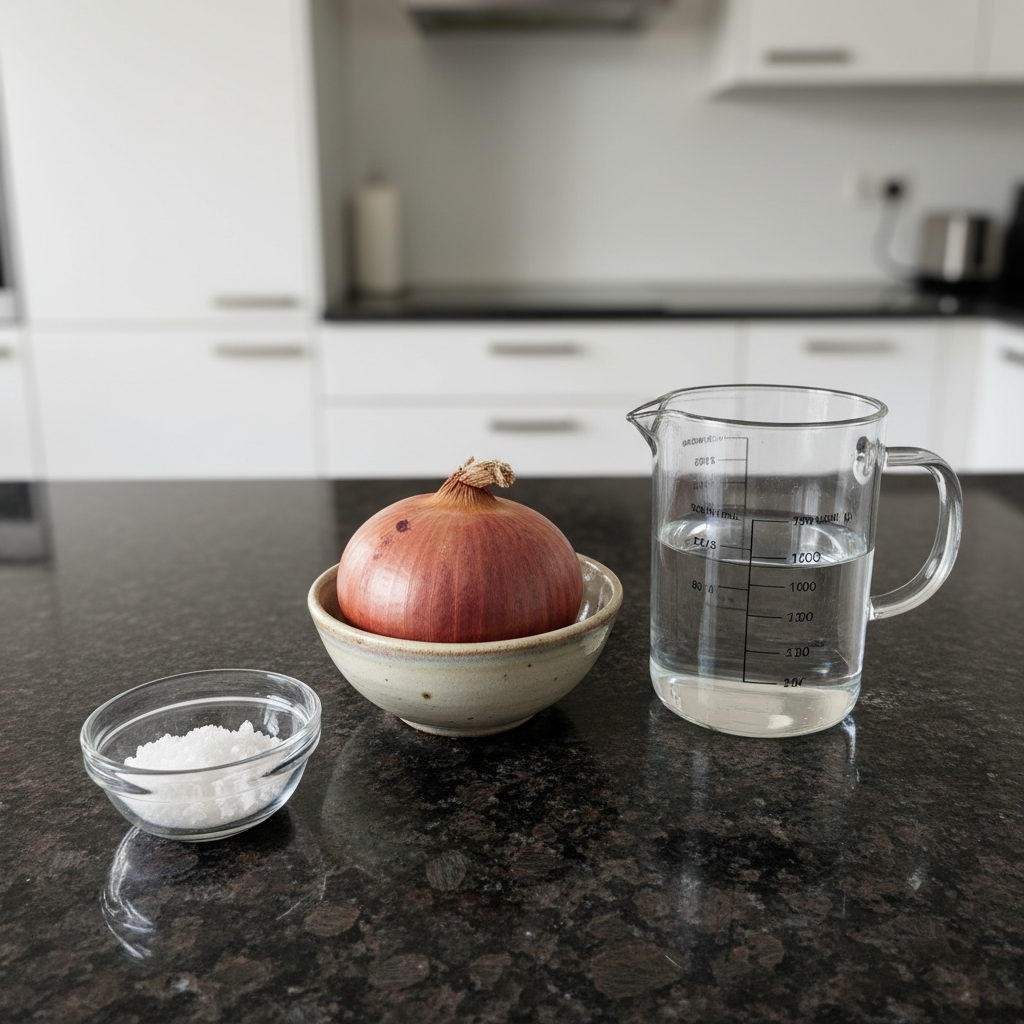
- 1 large onion
- distilled water (weight to be determined)
- sea salt or pickling salt (weight to be determined)
Ingredient Notes & Substitutions
Sea Salt vs. Pickling Salt: Pickling salt is generally preferred because it doesn’t contain iodine or anti-caking agents, which can sometimes inhibit fermentation. Sea salt is a great substitute as long as it’s pure and doesn’t have additives.
Onion Types: You can use different types of onions, like yellow, red, or sweet onions. Keep in mind that the flavor will vary depending on the type you choose. Red onions will impart a beautiful color to your brine.
Whey Alternative: If you don’t have whey on hand, you can use sauerkraut brine as a substitute. It works just as well to kickstart the fermentation process.
Water: Distilled water is best for fermentation because it’s free of chlorine and other additives that can interfere with the process. If you don’t have distilled water, you can boil tap water and let it cool before using it.
How to Make Fermented Onions
Get Started
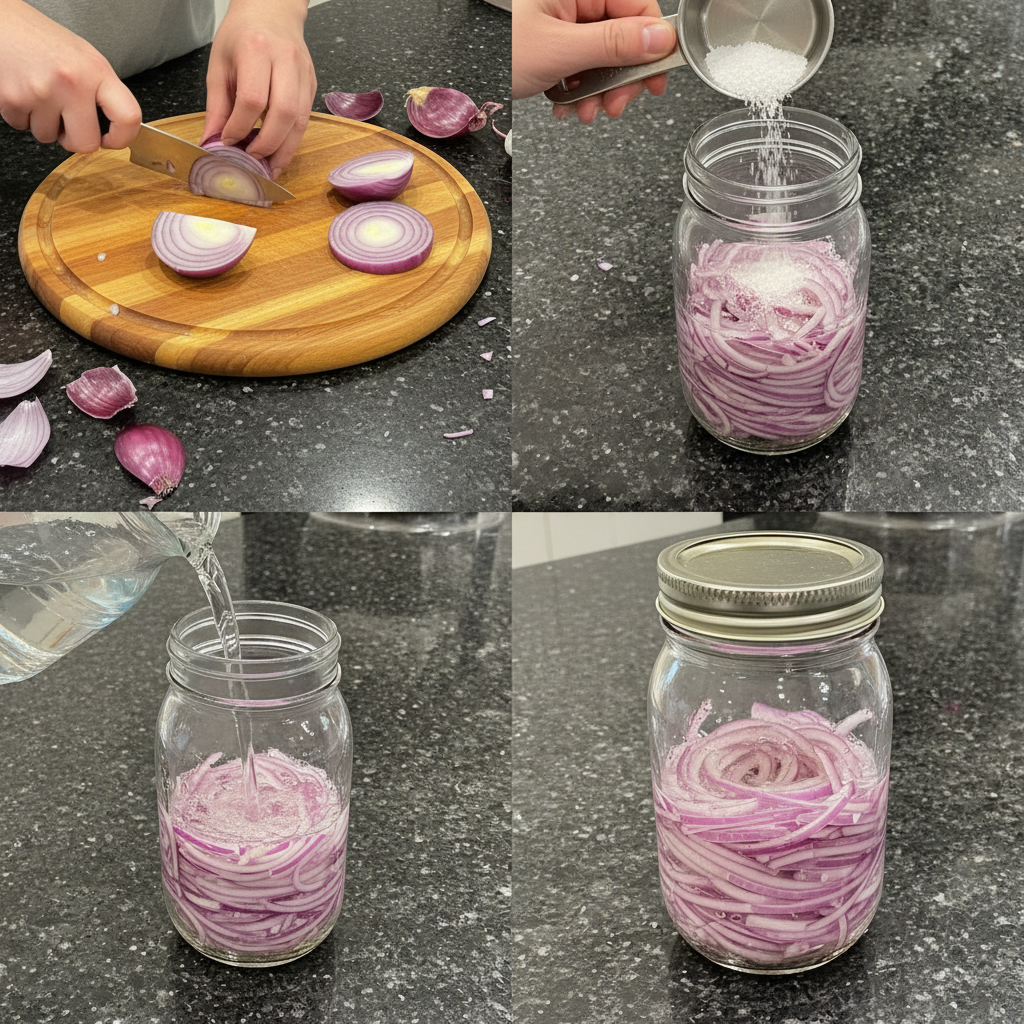
Choose a mason jar that is the appropriate size to fit the sliced onion. I used a 16 oz wide mouth style mason jar. Place the mason jar on your kitchen scale and press tare to zero out the weight of the jar.
Combine Ingredients
Fit the sliced onion into the mason jar and pour in enough distilled water to cover the onions. Then, add 2-4 tablespoons of whey or sauerkraut brine. Take note of the total weight in grams of the onion and water combined. To determine the amount of salt you need to add in grams, multiply that number by .02.
Calculate Salt
For example, if the weight of the onion and water combined is 800 grams, you will multiply 800 by .02 and get 16. I would add 16 grams of salt to my jar.
Add Salt and Shake
Tare the scale again and add the amount of sea salt or pickling salt in grams that you determined in the above step. Put on the lid and shake well to dissolve the salt. The brine may look cloudy already.
Submerge Onions
It’s very important to keep the onions submerged during fermentation. To do this, you can use fermentation weights, pinch bowls, a small mason jar, or a plastic sandwich bag filled with a little water. The weights keep the onions from exposure to air, preventing mold growth.
Ferment
Leave your ferment at room temperature away from sunlight for 4-7 days. Ideally, the room temperature should be around 68-72°F (20-22°C) for optimal fermentation. Check it once a day to make sure the onions are submerged. Open the lid slightly on a daily basis to “burp” the jar and prevent pressure from building up. Close it again tightly. You might notice a tangy aroma as the onions ferment.
Refrigerate
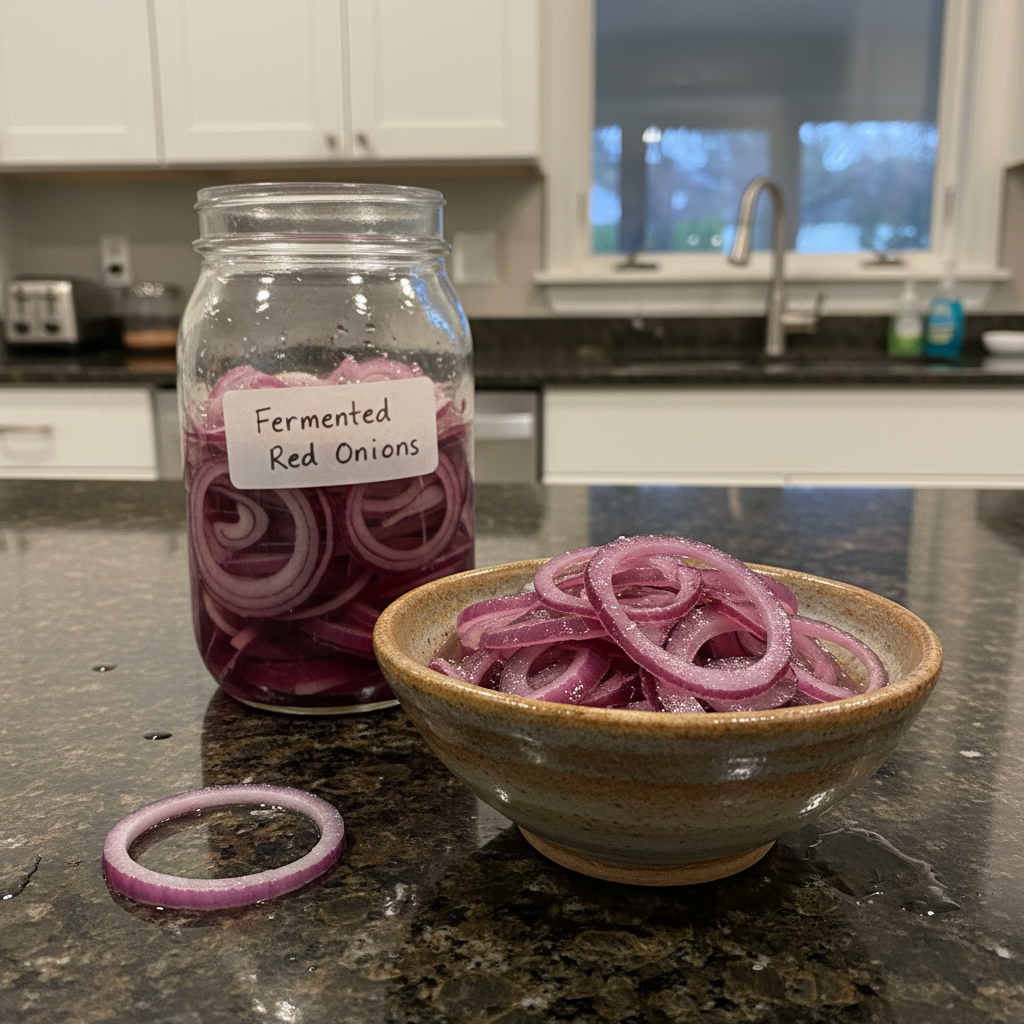
Once your fermented onions have reached the desired flavor, place the jar in the fridge. This will halt the fermentation process. Your fermented onions will now keep for a very long time. Enjoy!
Onion Slicing Techniques for Fermentation
The way you slice your onions can affect both the texture and the fermentation process.
Thickness: Thicker slices ferment slower and retain more crunch. Thinner slices ferment faster and become softer.
Shape: Rings can be visually appealing and work well in salads. Diced onions ferment quickly and distribute flavor evenly, making them great for condiments. Slivered onions offer a balance between texture and flavor distribution.
Consider how you plan to use the fermented onions when choosing a slicing technique. For salads, larger rings may be desired; for condiments, a finer dice might be better.
Troubleshooting Common Fermentation Problems
Even with the best intentions, fermentation can sometimes present challenges. Here are a few common issues and how to address them:
Kahm Yeast: This is a harmless white film that can form on the surface of your ferment. It’s usually not harmful, but you can remove it with a clean spoon if desired.
Mushy Texture: This can be caused by too much salt or too high a temperature. Make sure to use the correct salt ratio and keep your ferment in a cool place.
Off-Flavors: These can be caused by unwanted bacteria. Ensure a clean environment by sanitizing your jar and equipment. This protects your food safety and improves the quality of your fermented vegetables.
Pro Tips & Troubleshooting
Pro Tips
- Use a kitchen scale for accurate salt measurements.
- Keep the onions fully submerged using fermentation weights or other methods.
- Add 2-4 tablespoons of whey or sauerkraut brine to kickstart fermentation.
- Taste the onions daily after day 4 to achieve the desired level of tanginess.
- Experiment with different herbs and spices for unique flavor variations.
- Keep your ferments out of direct sunlight.
Common Mistakes to Avoid
- Discard your ferment if you see black or brightly colored molds.
- Discard your ferment if it smells really awful.
- Avoid using iodized salt, which can inhibit fermentation.
- Prevent onions from floating above the brine, which can lead to spoilage.
- Remember to “burp” the jar daily to release built-up pressure.
Serving & Storage
Serving Ideas
- Top burgers or sausages.
- Mix into a Greek salad.
- Use as a condiment to add acidity and brightness to a dish.
- Add color and nutrition to your plate.
- Top scrambled eggs or an omelet.
- Pair with grilled meats or vegetables. Consider making black bean burgers to add these fermented onions to!
Storage and Make-Ahead
Store fermented onions in the refrigerator for several months.
The flavor will continue to develop over time, but the cold temperature slows down the process.
Fermented onions can be made well in advance and stored in the fridge until ready to use.
Conclusion
Fermented onions are an easy, probiotic-rich, and delicious addition to any meal. The unique twist of adding whey ensures a more reliable and flavorful fermentation process. Don’t be afraid to experiment with different onion types and flavor combinations to create your perfect batch of fermented onions. Share this recipe with your friends and family and spread the love of fermentation!
FAQ
What is lacto-fermentation and why is it beneficial?
Lacto-fermentation is a process where beneficial bacteria, like lactobacillus and Leuconostoc, convert sugars into lactic acid. This creates an anaerobic environment that preserves the food and inhibits the growth of harmful bacteria. Fermented foods are rich in probiotics, enzymes, and other beneficial compounds that support gut health, improve digestibility, and enhance nutrient availability.
What type of salt is best for fermenting onions?
Sea salt or pickling salt is preferred over iodized salt because iodine and anti-caking agents can inhibit the fermentation process. You can read more about different types of pickling salts here. Use pure salt without additives for the best results.
How do I know if my fermented onions have gone bad?
Signs of spoilage include the presence of mold (especially black or brightly colored molds), a foul or off-putting odor, and a slimy texture. If you notice any of these signs, discard the ferment for food safety.
How long do fermented onions last, and what’s the best way to store them?
Fermented onions can last for several months in the refrigerator. Store them in their brine in a sealed jar to maintain their flavor and texture.
Can I ferment different types of onions, and how will that affect the flavor?
Yes, you can ferment different types of onions, such as yellow, red, or sweet onions. The type of onion will impact the final flavor. For example, sweet onions will result in a milder, sweeter ferment, while red onions will add a sharper bite and a vibrant color to the brine.
What’s the ideal temperature for fermentation?
The ideal temperature range for fermentation is between 68°F and 72°F (20°C to 22°C). Warmer temperatures can speed up fermentation but may also increase the risk of spoilage. Colder temperatures will slow down the process.
To ensure a safe and successful fermentation, it’s crucial to maintain the correct temperature. You can learn more about fermentation temperature guidelines here.
Do I need to keep the weights after I put the onions in the fridge?
While not strictly necessary, it’s a good idea to keep the weights in place even in the fridge. This ensures that the onions remain fully submerged in the brine, which helps to preserve their quality and prevent any potential spoilage.
Easy Fermented Onions Recipe (with Whey!)
Ingredients
Equipment
Method
- Choose a mason jar that is the appropriate size to fit the sliced onion. Place the mason jar on your kitchen scale and press tare to zero out the weight of the jar.
- Fit the sliced onion into the mason jar and pour in enough distilled water to cover the onions. Then, add 2-4 tablespoons of whey or sauerkraut brine. Take note of the total weight in grams of the onion and water combined. To determine the amount of salt you need to add in grams, multiply that number by .02.
- For example, if the weight of the onion and water combined is 800 grams, you will multiply 800 by .02 and get 16. I would add 16 grams of salt to my jar.
- Tare the scale again and add the amount of sea salt or pickling salt in grams that you determined in the above step. Put on the lid and shake well to dissolve the salt. The brine may look cloudy already.
- It’s very important to keep the onions submerged during fermentation. To do this, you can use fermentation weights, pinch bowls, a small mason jar, or a plastic sandwich bag filled with a little water. The weights keep the onions from exposure to air, preventing mold growth.
- Leave your ferment at room temperature away from sunlight for 4-7 days. Ideally, the room temperature should be around 68-72°F (20-22°C) for optimal fermentation. Check it once a day to make sure the onions are submerged. Open the lid slightly on a daily basis to "burp" the jar and prevent pressure from building up. Close it again tightly. You might notice a tangy aroma as the onions ferment.
- Once your fermented onions have reached the desired flavor, place the jar in the fridge. This will halt the fermentation process. Your fermented onions will now keep for a very long time. Enjoy!
Notes

Lia Monet is a food blogger, recipe developer, and the founder of EasyAsMeals, a food blog focused on easy recipes, quick dinners, and everyday home cooking. She creates tested, family-friendly recipes using simple ingredients to help busy families cook affordable and delicious meals at home.