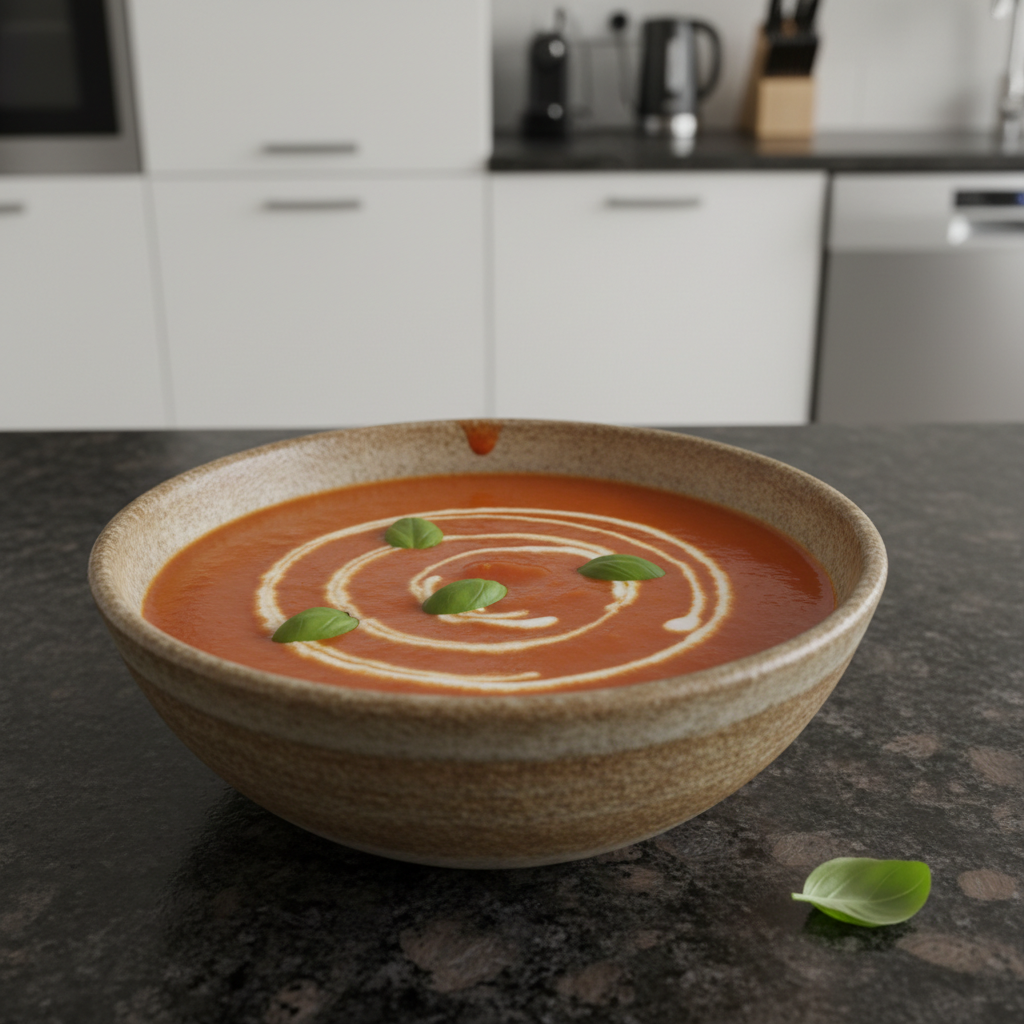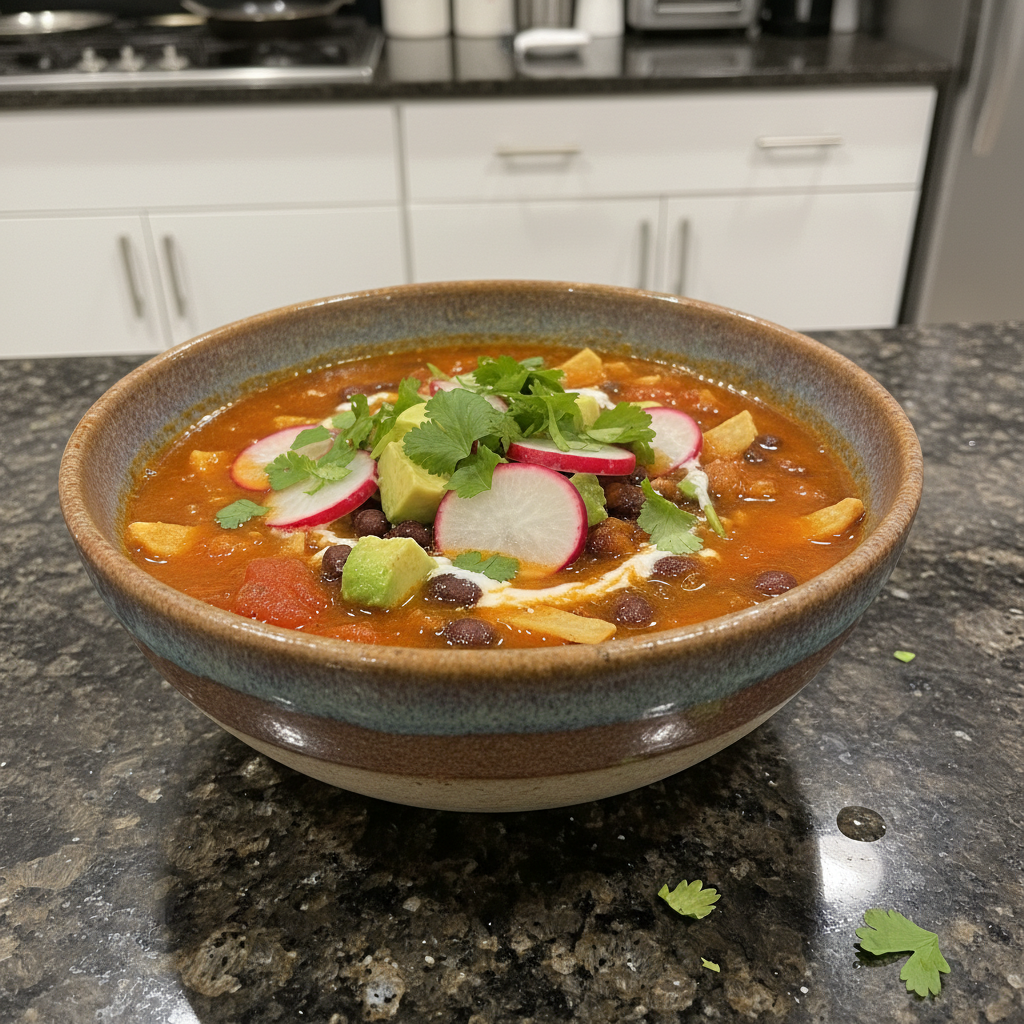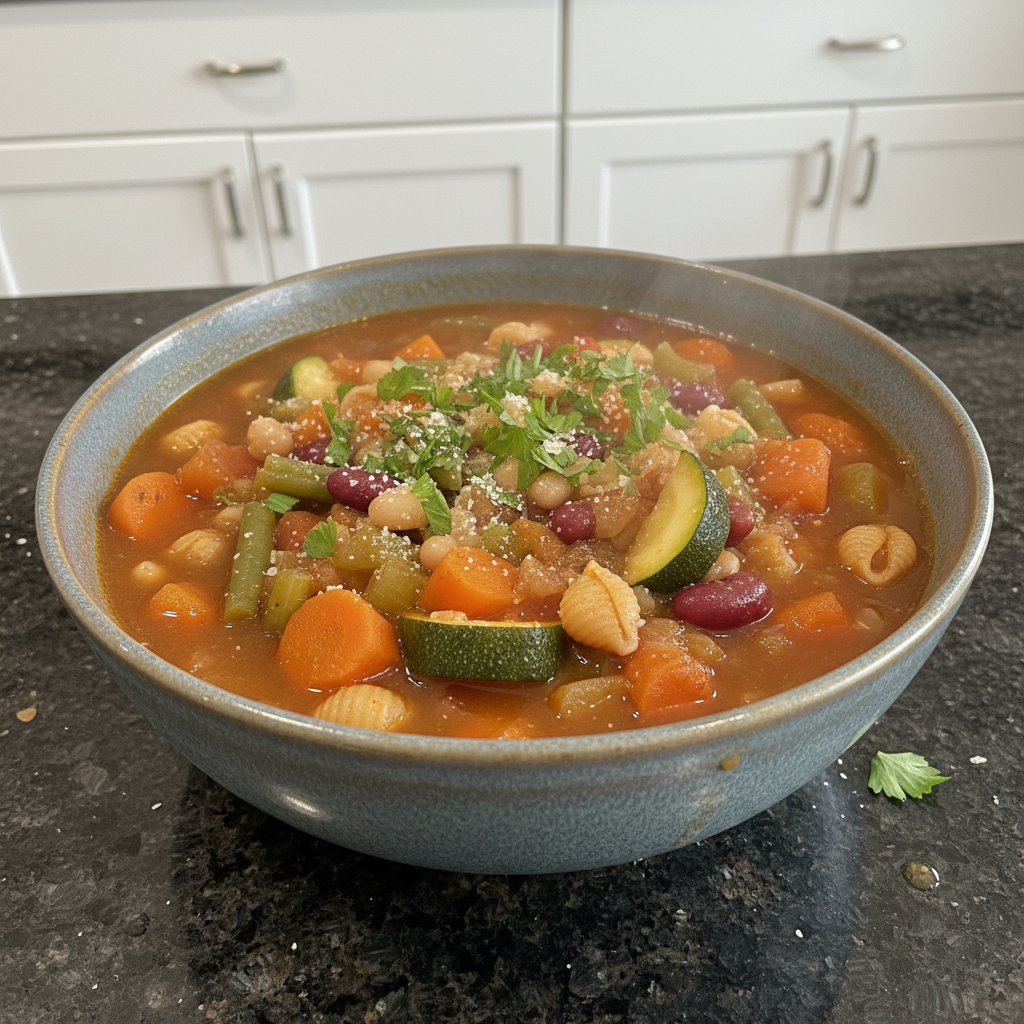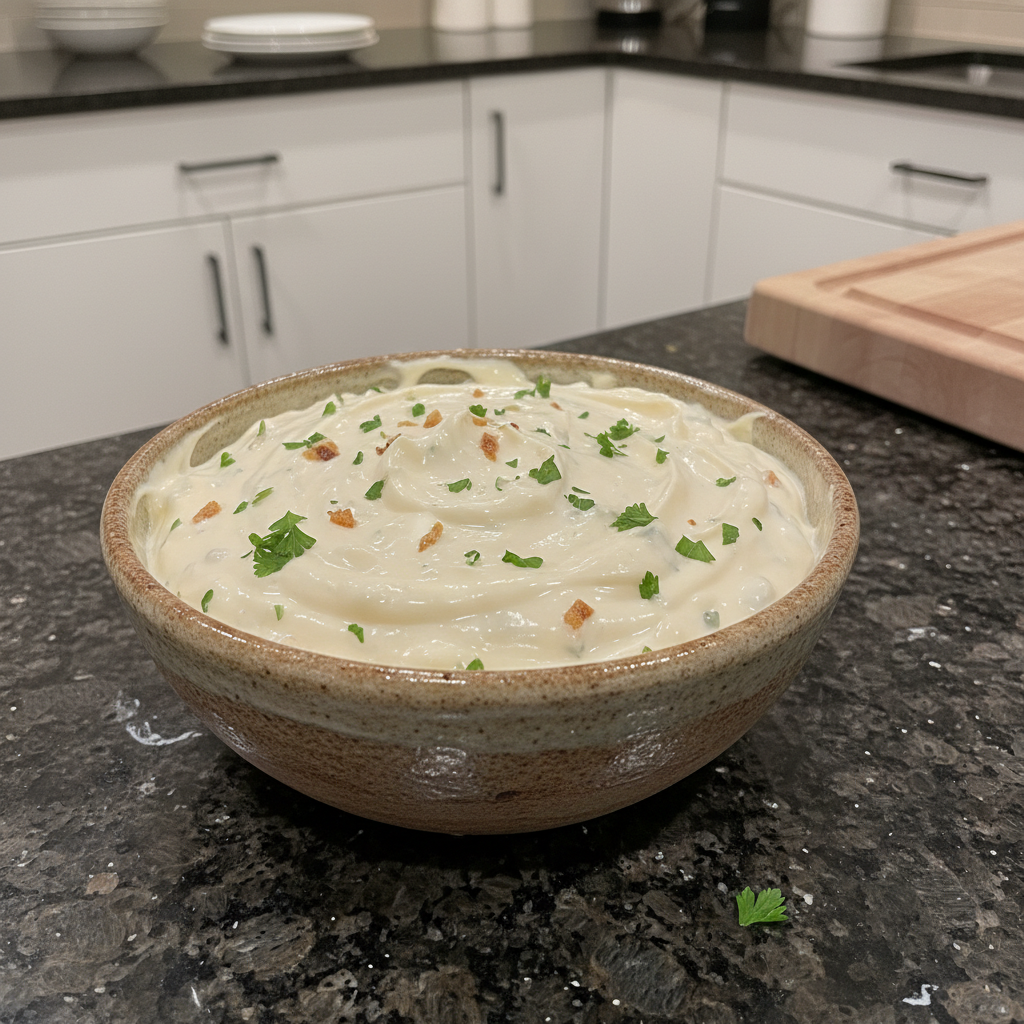
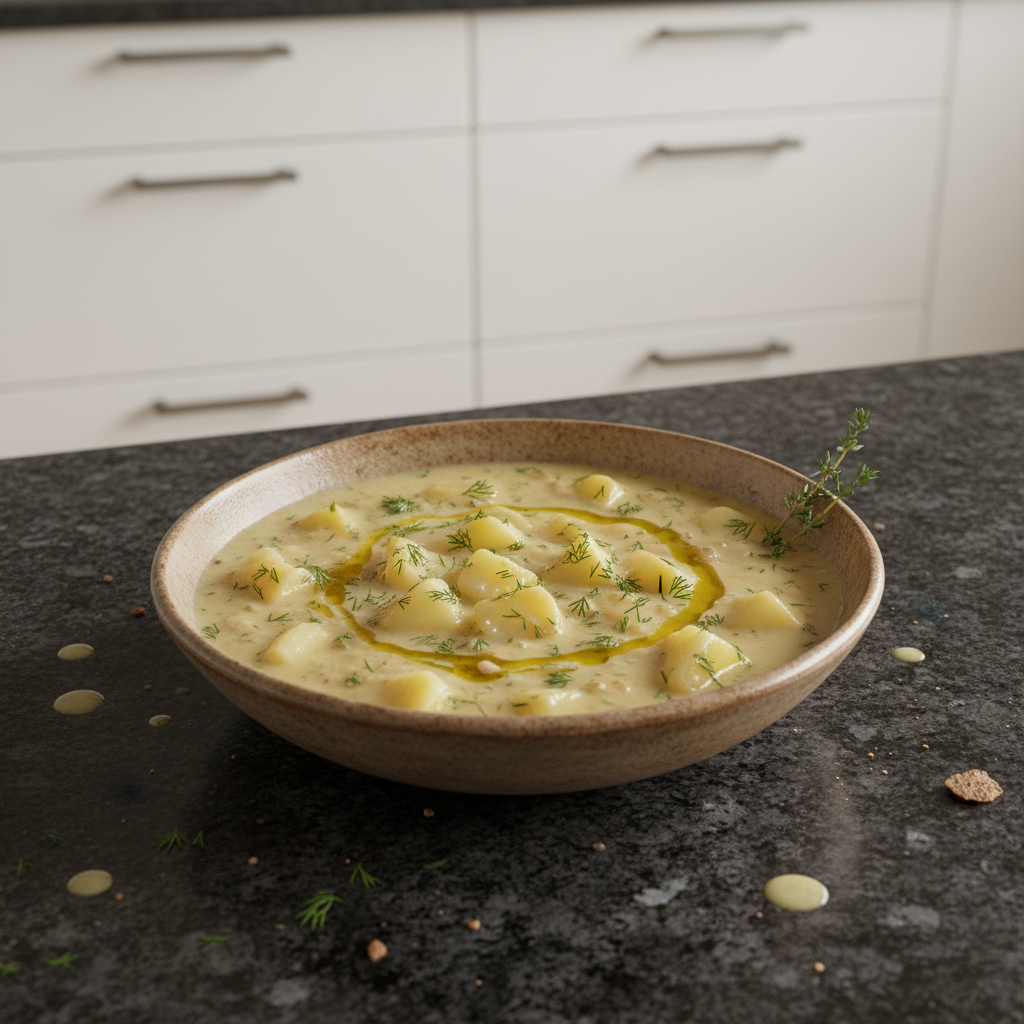
There’s something deeply comforting about a bowl of potato soup. Its creamy texture and mild flavor make it the perfect dish for a chilly day. But what if you could elevate this classic comfort food to a whole new level? This recipe for vegan potato soup does just that, with a simple yet brilliant twist: roasted garlic. Easy to make and incredibly satisfying, this is destined to become a family favorite for a comforting meal.
Why You’ll Love This Recipe
This isn’t just another vegan potato soup recipe. The addition of roasted garlic takes it from ordinary to extraordinary. Here’s why you’ll keep coming back to this recipe:
Roasted garlic magic: Roasting the garlic mellows its flavor, transforming it into a sweet, almost caramelized taste that complements the potatoes perfectly. This transformation occurs through the Maillard reaction, where heat coaxes out complex flavors from simple ingredients. For more information, you can read about the science of the Maillard Reaction.
Easy to make: This recipe is surprisingly simple, perfect for a weeknight meal.
Perfect for a weeknight meal: From start to finish, you can have a steaming bowl of soup on the table in under an hour.
Budget-friendly: This plant-based recipe uses simple, affordable ingredients that you can easily find at your local grocery store.
Dairy-free comfort: Enjoy all the creamy goodness of potato soup without any dairy. This recipe is entirely dairy-free and plant-based.
Ingredients Needed

- 2 tablespoons vegan butter (, or olive oil, or to make oil-free omit and use a few tablespoons of water for sautéing instead)
- 2 medium onions (, chopped finely)
- 2 ribs celery (, diced)
- 2 large carrots (, diced)
- 4 cloves garlic (, chopped finely)
- 2 teaspoons salt (, plus more to taste)
- ½ teaspoon ground black pepper (, plus more to taste)
- 4 tablespoons all purpose flour (, or gluten-free all purpose flour)
- 2 cups (480 mls) dairy-free milk (, it MUST be unsweetened & unflavoured)
- 2½ – 3 cups (600 – 720 mls) flavourful vegetable stock (, divided )
- 6 medium (about 1kg/2.2lb) potatoes (, cut into ½ inch cubes ( I like to use Yukon Gold or red potatoes))
- ¼ teaspoon ground nutmeg (, (optional))
- 1 bay leaf
Ingredient Notes & Substitutions
Here’s a breakdown of the ingredients and how you can adapt them to your preferences and dietary needs:
Vegan Butter/Oil: You can use vegan butter or olive oil for sautéing the vegetables. Vegan butter will add a richer flavor, while olive oil provides a more subtle taste. For an oil-free option, simply use a few tablespoons of water to sauté the vegetables, stirring frequently to prevent sticking.
Dairy-Free Milk: It’s crucial to use unsweetened and unflavored dairy-free milk. Sweetened or flavored varieties will alter the taste of the soup. Soy milk, almond milk, and oat milk are all good options, but they will affect the consistency and flavor differently. Oat milk tends to be the creamiest, while almond milk is lighter. Be mindful of the potential for curdling with certain plant-based milks, especially if the soup is boiled rapidly.
Flour: You can use regular all purpose flour or a gluten-free all purpose flour blend to thicken the soup. Make sure it’s a blend that substitutes 1:1 for regular flour.
Potatoes: I recommend using Yukon Gold or red potatoes. Yukon Gold potatoes have a slightly buttery flavor and creamy texture, while red potatoes hold their shape well during cooking. For the best vegan potato soup, opt for waxy potatoes like red or Yukon Gold. These varieties contain less starch than russet potatoes, which helps prevent the soup from becoming overly thick or gummy. Starchy potatoes like russets are better for baking or frying where you want a fluffy texture. For more information, here’s a guide to the best potatoes for every use! If you’re looking for another great vegan recipe, consider trying this creamy vegan spinach and artichoke mac and cheese recipe!

How to Make Vegan Potato Soup with Roasted Garlic
Follow these simple steps to create your own delicious bowl of vegan potato soup:
Step 1: Roast the Garlic
Preheat your oven to 400°F (200°C). Wrap a whole bulb of garlic in aluminum foil with a drizzle of olive oil. Roast for 40-60 minutes, or until the garlic is soft and fragrant. Let it cool slightly, then squeeze the roasted garlic cloves out of their skins and mince or mash them.
Step 2: Sauté the Vegetables
To a large saucepan, add the vegan butter/oil and warm over medium heat. Add the chopped onions, celery, and carrots. Cook, stirring constantly, until the onions are just starting to get a little color. The aroma of the softening vegetables is incredibly inviting. Add the roasted garlic and cook for another 2 minutes, filling your kitchen with its rich, sweet scent.
Step 3: Add Flour and Milk
Add the salt and pepper, then sprinkle the flour over the vegetables in the pan. Stir it all around for about a minute to cook the raw flour taste out. Slowly add the dairy-free milk, stirring continuously to work out any lumps. As the milk heats, it will begin to thicken, creating a luscious base for the soup. Then add the vegetable broth (reserving about ½ cup / 120 mls), chopped potatoes, nutmeg (if using), and the bay leaf.
Step 4: Simmer
Stir really well, then let it simmer for about 25 to 30 minutes, or until the potatoes are soft and just starting to break down. You’ll know they’re ready when they easily pierce with a fork.
Step 5: Blend
At this stage, you have choices. If you want an extra-thick and creamy soup, use an immersion blender right in the pan to blitz until it reaches the thickness you like. The more you blend, the smoother the soup will be. If you don’t have an immersion blender, a potato masher does an ok job, leaving you with a chunkier texture. If you prefer a thinner soup, you can add the remaining stock to thin as desired.
Step 6: Season and Serve
Taste and adjust seasoning if necessary. It’s crucial to season to your personal preference! Serve as it is, or with toppings of your choice.
Storing and Reheating Vegan Potato Soup
Here’s how to properly store and reheat your vegan potato soup to maintain its deliciousness:
Your leftover soup can be stored in the refrigerator for 3-4 days in an airtight container. The flavors often meld together even more beautifully overnight!
To reheat, gently warm the soup on the stovetop over medium-low heat, stirring occasionally, until heated through. You can also reheat it in the microwave in a microwave-safe bowl, stirring every minute or so to ensure even heating.
While you *can* freeze this soup, be aware that the texture may change slightly upon thawing due to the potatoes and dairy-free milk. If freezing, allow the soup to cool completely before transferring it to a freezer-safe container. Thaw overnight in the refrigerator before reheating.
Pro Tips & Troubleshooting
Pro Tips
- Roast the garlic until golden brown: This enhances the sweetness and depth of flavor.
- Use an immersion blender for the creamiest texture: But don’t over-blend if you prefer a chunkier soup.
- Adjust the amount of vegetable broth to achieve your desired consistency: Add more for a thinner soup.
- Taste and adjust the seasoning: Salt, pepper, and nutmeg balance the flavors.
Common Mistakes to Avoid
- Not roasting the garlic long enough: It should be soft and fragrant, not raw.
- Using sweetened or flavored plant milk: This will affect the flavor of the soup.
- Over-blending the soup: This can make it gummy.
- Not seasoning properly: Taste and adjust as needed.
Serving & Storage
Serving Ideas
Here are some delightful ways to serve your vegan potato soup:
- Vegan croutons for added crunch.
- Smoky tempeh bacon for a savory topping. Consider making some tempeh bacon in the oven at 375 until brown and crispy.
- Fresh parsley or chives for a pop of color and freshness.
- Roasted carrots or other vegetables for added nutrition and flavor.
- A swirl of vegan sour cream for extra creaminess.
Storage and Make-Ahead
As mentioned previously, the soup can be stored in the refrigerator for 3-4 days in an airtight container. Reheat gently on the stovetop or in the microwave.
Comfort in a Bowl
This vegan potato soup recipe is more than just a meal; it’s a hug in a bowl. The roasted garlic adds a unique depth of flavor that elevates this classic comfort food to something truly special. The recipe is easy to follow, even for beginners, and it’s a great way to experiment with different variations and toppings. Share this recipe with your friends and family, or explore other delicious soup recipes on my site!
FAQ
Here are some frequently asked questions about making vegan potato soup:
What kind of potatoes are best for vegan potato soup?
Yukon Gold or red potatoes are recommended. Yukon Golds have a buttery flavor and creamy texture, while red potatoes hold their shape well during cooking.
What is the best way to thicken vegan potato soup?
This recipe uses flour to help thicken the soup. You can also blend the soup with an immersion blender or potato masher for a creamier consistency.
How do I store and reheat vegan potato soup?
Store the soup in an airtight container in the refrigerator for 3-4 days. Reheat gently on the stovetop or in the microwave.
What are some good toppings for vegan potato soup?
Vegan croutons, smoky tempeh bacon, fresh parsley, chives, roasted vegetables, and a swirl of vegan sour cream are all great options.
What kind of vegan milk works best in potato soup?
Unsweetened and unflavored plant milk is essential. Oat milk is a great option for creaminess, but soy or almond milk will also work.
How can I make this soup gluten-free?
Use a gluten-free all-purpose flour blend in place of regular all-purpose flour.
Can this soup be frozen?
Yes, but the texture may change slightly upon thawing. Allow the soup to cool completely before freezing in a freezer-safe container. Thaw overnight in the refrigerator before reheating.
If you’re looking for another great recipe, then check out this hearty vegetable barley soup recipe

Lia Monet is a food blogger, recipe developer, and the founder of EasyAsMeals, a food blog focused on easy recipes, quick dinners, and everyday home cooking. She creates tested, family-friendly recipes using simple ingredients to help busy families cook affordable and delicious meals at home.