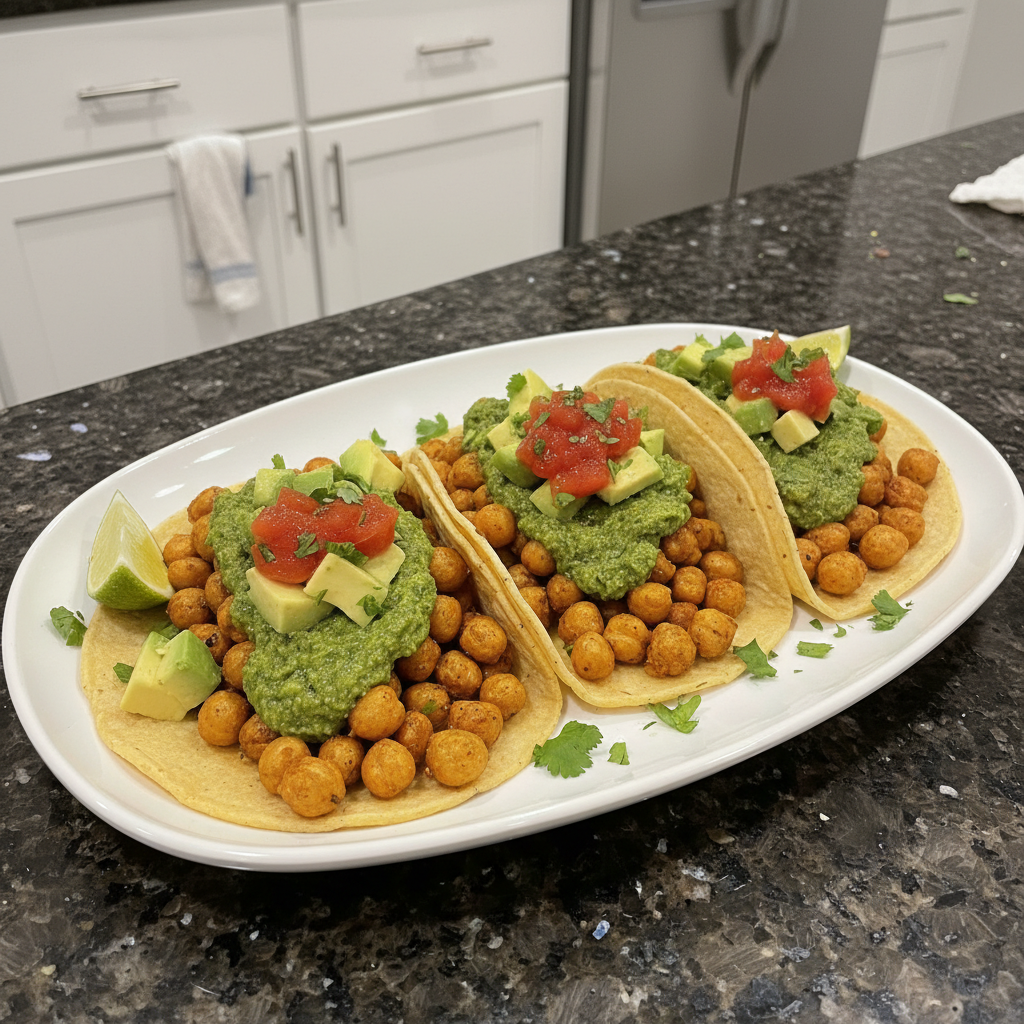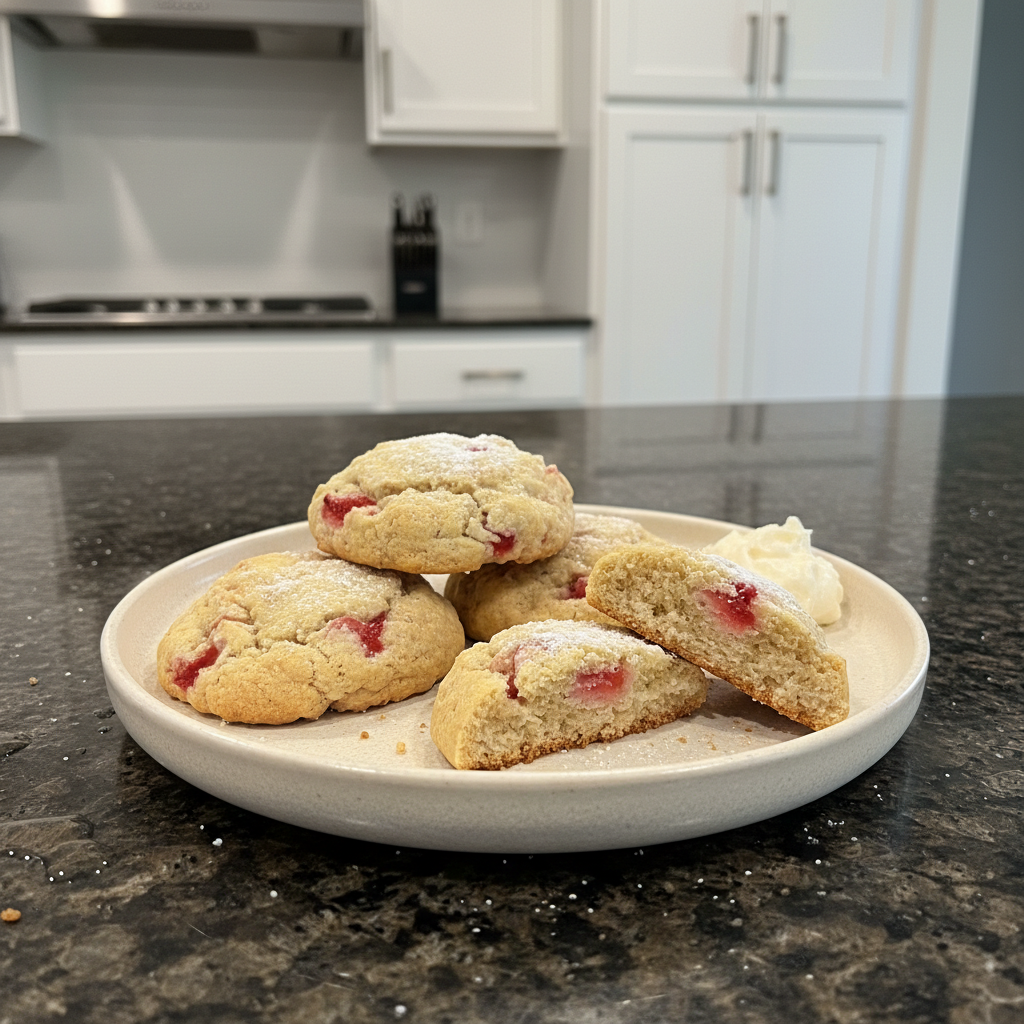
Imagine a pesto that’s not just green, but vibrantly alive with flavor. This isn’t your ordinary basil pesto. My recipe for Pistachio Pesto uses the incredible flavor of toasted pistachios to make an unforgettable sauce. Toasting the nuts unlocks their rich, nutty depth, transforming simple ingredients into something truly special. Best of all, it’s quick, easy, and incredibly versatile. Get ready to elevate your pasta, pizza, and more with this simple yet stunning recipe!
Why You’ll Love This Best Pistachio Pesto Recipe
This Pistachio Pesto recipe is a game-changer. It’s a delicious twist on a classic that will have everyone asking for more.
Toasting is Key: Toasting the pistachios before adding them to the pesto is the secret. The heat releases the oils and volatile compounds in the pistachios, creating a deeper, more complex, and aromatic taste. The visual appeal of the lightly golden pistachios also adds to the pesto’s allure.
Quick & Easy: You’ll be amazed at how quickly this pesto comes together. It’s ready in minutes, making it perfect for busy weeknights.
Versatile: This pesto is incredibly versatile. Use it on pasta, pizza, sandwiches, grilled vegetables, or as a dip – the possibilities are endless!
Simple Ingredients: You only need a handful of simple, fresh ingredients to create this flavor explosion.
Ingredients Needed
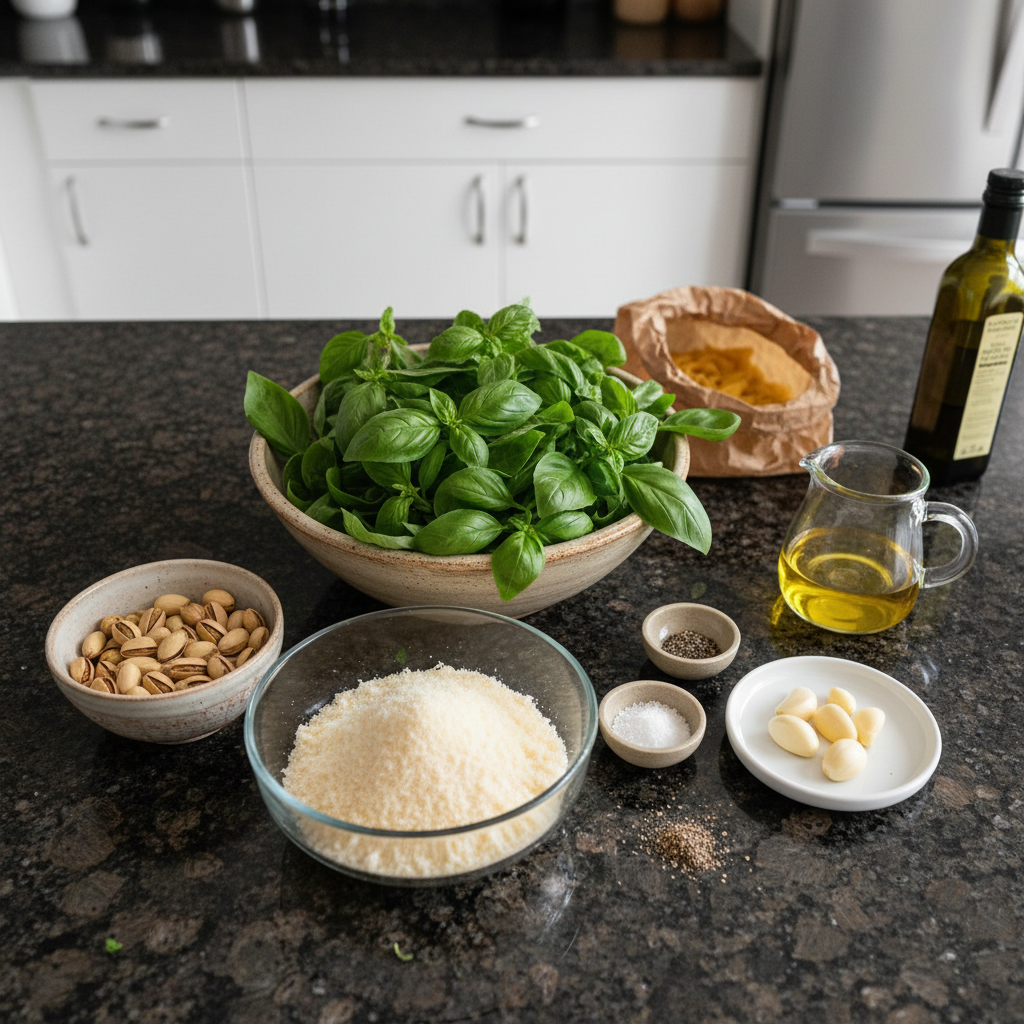
- 3 cups lightly-packed fresh basil leaves
- 1/2 cup freshly grated Parmesan
- 1/3 cup shelled pistachios
- 3 cloves garlic
- 1 teaspoon sea salt
- 1/2 teaspoon freshly-cracked black pepper
- 1/2 cup extra-virgin olive oil
Ingredient Notes & Substitutions
Pistachios: High-quality pistachios are essential for the best flavor. I recommend sourcing pistachios from California, if possible, for their excellent quality. Shelled pistachios are the most convenient option for this recipe, saving you the hassle of shelling them yourself.
Parmesan: Freshly grated Parmesan cheese is best for both flavor and texture. Pecorino Romano offers a flavorful alternative. For a vegan option, substitute 3-5 tablespoons (to taste) of nutritional yeast in place of the Parmesan to make vegan pesto.
Basil: Fresh basil is key! The quality of your basil directly impacts the final flavor. Feel free to experiment with other herbs like baby arugula, spinach, parsley, or cilantro, either in place of basil or mixed with it. For another great salad option, consider a pesto couscous salad.
Olive Oil: Use high-quality extra virgin olive oil for the best flavor. Look for oils with fruity or peppery notes to enhance the pesto. To understand more about the characteristics of good olive oil, you might find this guide from the Olive Oil Times helpful.
Salt: I prefer sea salt for this recipe, as it enhances the other flavors. Kosher salt also works well.
How to Make Pistachio Pesto
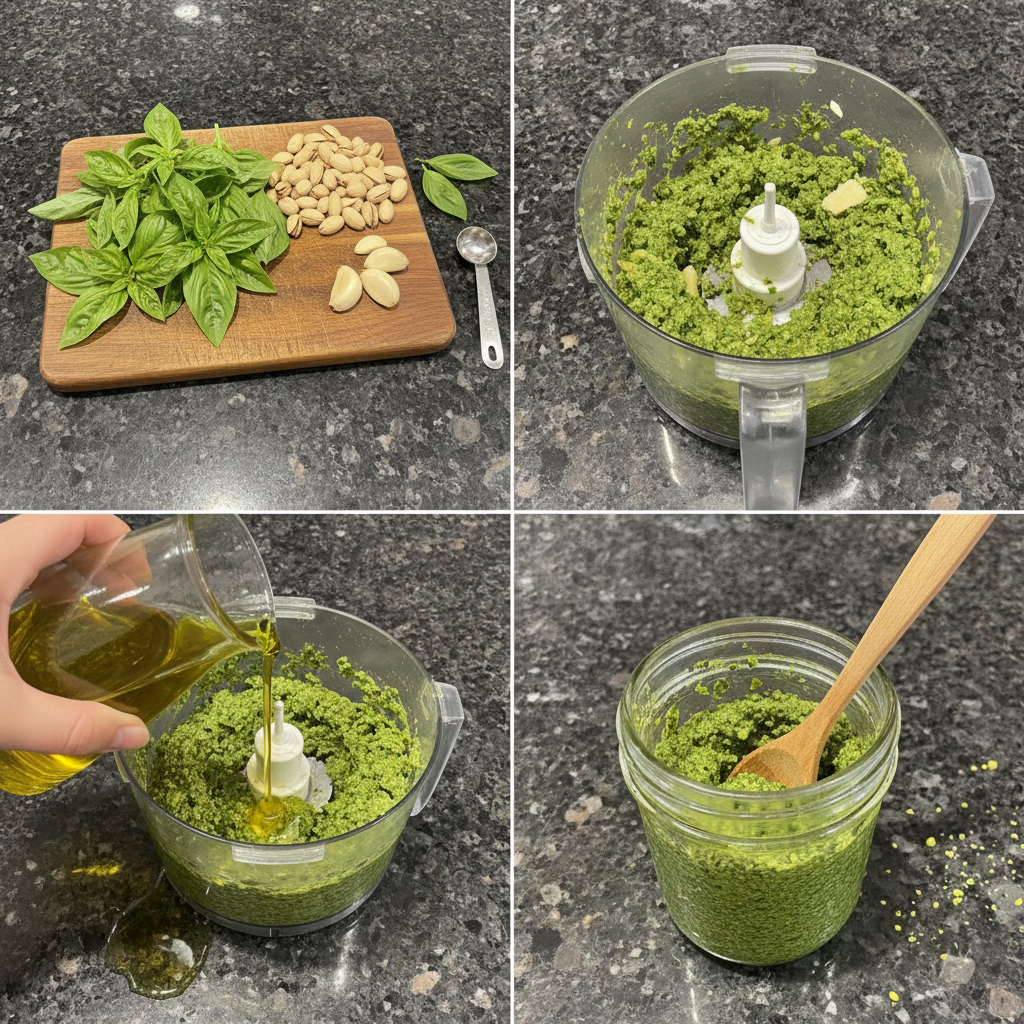
Follow these simple steps to create your own vibrant Pistachio Pesto.
Step 1: Toast the Pistachios
Toast the pistachios in a dry pan over medium heat or in the oven at 350°F (175°C) for 5-10 minutes. You’ll smell a rich, nutty aroma when they’re ready and they should be lightly golden.
Step 2: Combine Ingredients
Add the toasted pistachios, fresh basil leaves, Parmesan cheese, garlic cloves, sea salt, and black pepper to your food processor or blender. Pulse until the ingredients are finely chopped, stopping to scrape down the sides as needed.
Step 3: Add Olive Oil
With the food processor running on low speed, slowly drizzle in the extra virgin olive oil until it is completely combined. Pause the food processor and scrape down the sides to ensure everything is evenly mixed. Pulse again until the mixture is smooth and creamy. If your pesto is too thick, feel free to thin it out with a few tablespoons of extra olive oil or water.
Step 4: Taste and Adjust
Taste the pesto and adjust seasonings as needed. Add more salt and pepper to taste. The biggest mistake people make with pesto is not seasoning it enough, so be sure to taste and add more salt and pepper if needed.
Step 5: Serve or Store
Serve immediately. Or refrigerate in a sealed container for up to 3 days, or freeze for up to 3 months. This pesto is delicious on pasta or pizza, and it is also an excellent dip.
Preventing Browning and Oxidation
Basil can oxidize quickly, causing your pesto to turn brown. This is a natural process, but here are some ways to slow it down.
Blanching the basil: Briefly blanching the basil in boiling water before blending can help preserve its color.
Adding lemon juice: A squeeze of lemon juice adds brightness and helps prevent browning due to its acidity.
Covering with olive oil: To prevent browning and also help the pesto last a bit longer, feel free to pour a thin layer of olive oil on top of the pesto to cover its surface. Or alternatively, you can place a piece of plastic wrap directly on top of the surface of the pesto.
Storing in an airtight container: Minimize air exposure by storing your pesto in an airtight container.
Pro Tips & Troubleshooting
Pro Tips
- Toast the pistachios evenly for the best flavor.
- Use fresh, high-quality ingredients.
- Don’t over-process the pesto; a slightly coarse texture is desirable.
- Taste and adjust seasonings throughout the process.
- Add a squeeze of lemon juice to brighten the flavor and prevent browning.
- If pesto is too thick, add a little extra olive oil or water.
- For a smoother pesto, use a high-speed blender.
Common Mistakes to Avoid
- Using old or bitter basil.
- Over-processing the pesto, resulting in a paste-like texture.
- Skipping the toasting of the pistachios, which significantly impacts flavor.
- Not seasoning the pesto adequately.
- Using low-quality olive oil, which can affect the overall taste.
- Exposing the pesto to air, which causes browning.
Serving & Storage
Serving Ideas
- Pasta or gnocchi sauce
- Dipper for fresh veggies or bread
- Mixed into mashed potatoes
- Salad dressing
- Pizza or crostini sauce
- Soup garnish
- Protein or veggie sauce
Pistachio pesto is fantastic with grilled chicken or fish, adding a burst of flavor to your favorite dishes. If you’re looking for another flavorful dish, you might enjoy this recipe for Slow Cooker Marry Me Chicken.
Storage and Make-Ahead
Refrigerate in a sealed container for up to 3 days. To maintain freshness, press a piece of plastic wrap directly onto the surface of the pesto before sealing. This minimizes air exposure and helps prevent browning.
Freezing Instructions: For longer storage, freeze the pesto in ice cube trays. Once frozen, transfer the pesto cubes to a freezer bag for up to 3 months. This method allows you to thaw only what you need, preserving the flavor for future use. To thaw, simply place the desired number of cubes in the refrigerator or microwave until softened.
Conclusion
This Pistachio Pesto recipe is not only easy to make but also delivers an incredibly delicious and versatile sauce. The secret to its exceptional flavor lies in toasting the pistachios, which unlocks their nutty depth. For more information on the Maillard reaction and how it enhances flavor through toasting, see this Wikipedia article. This beginner-friendly recipe is adaptable to your taste preferences, so feel free to experiment with variations and serving ideas. Print this recipe and keep it handy, or share it with your friends!
FAQ
How long does pistachio pesto last in the refrigerator and freezer?
Pistachio pesto will last for up to 3 days in the refrigerator and up to 3 months in the freezer. Consider making some delicious homemade granola bars to enjoy while you wait!
What are some easy variations of pistachio pesto?
Try swapping basil for arugula or spinach, or adding a pinch of red pepper flakes for a spicy kick.
What are the best ways to use pistachio pesto?
Pistachio pesto is delicious on pasta, pizza, sandwiches, and as a dip for vegetables.
How do I prevent pistachio pesto from browning?
Cover the pesto with a thin layer of olive oil or plastic wrap to prevent oxidation.
Is pistachio pesto healthier than regular pesto?
Pistachio pesto offers similar health benefits to regular pesto, with the added advantage of pistachios’ unique nutritional profile.
What are the best pistachios to use for pesto?
Use shelled, unsalted pistachios for the best flavor and control over the pesto’s salt content.
What kind of blender or food processor works best?
A food processor is generally preferred for pesto as it creates a slightly coarser texture. However, a high-speed blender can also be used for a smoother pesto.
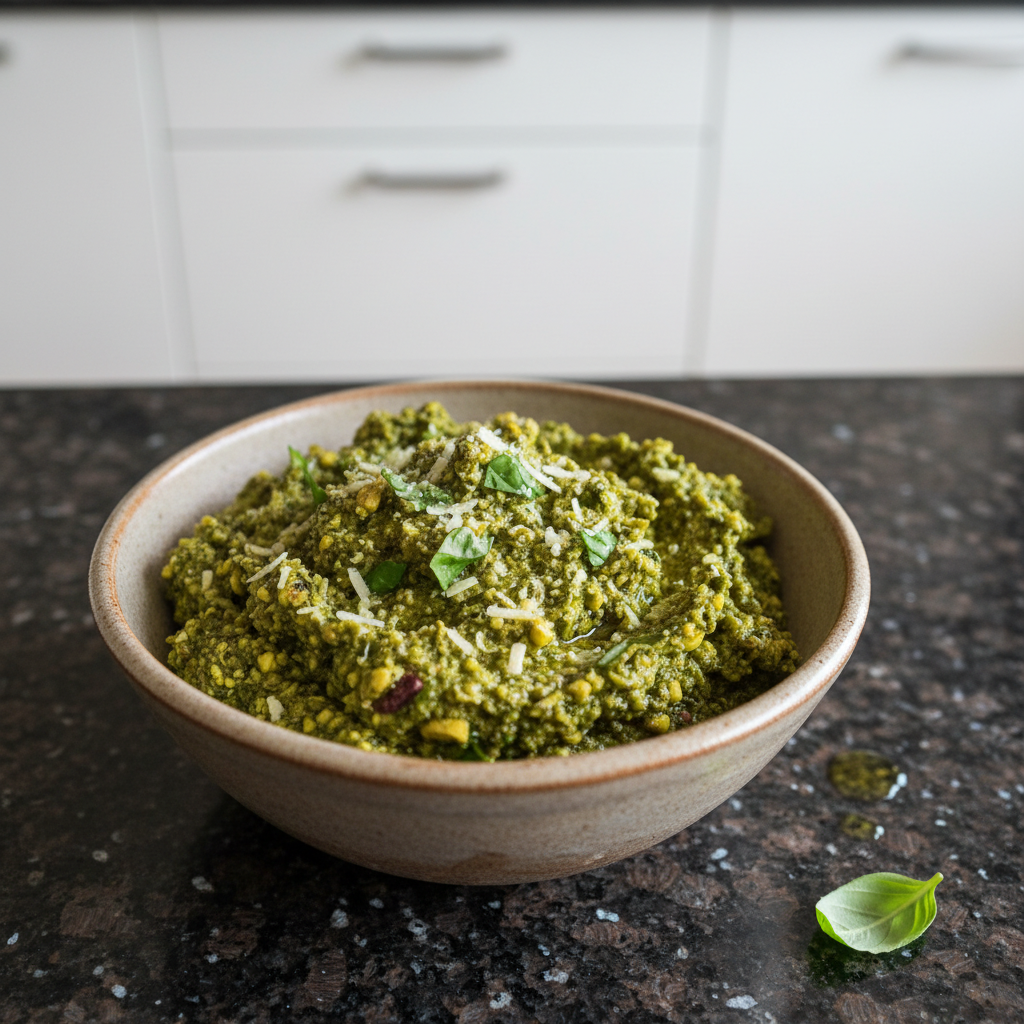
Best Pistachio Pesto Recipe: Easy & Flavorful!
Ingredients
Equipment
Method
- Toast the pistachios in a dry pan over medium heat or in the oven at 350°F (175°C) for 5-10 minutes. You'll smell a rich, nutty aroma when they're ready and they should be lightly golden.
- Add the toasted pistachios, fresh basil leaves, Parmesan cheese, garlic cloves, sea salt, and black pepper to your food processor or blender. Pulse until the ingredients are finely chopped, stopping to scrape down the sides as needed.
- With the food processor running on low speed, slowly drizzle in the extra virgin olive oil until it is completely combined. Pause the food processor and scrape down the sides to ensure everything is evenly mixed. Pulse again until the mixture is smooth and creamy. If your pesto is too thick, feel free to thin it out with a few tablespoons of extra olive oil or water.
- Taste the pesto and adjust seasonings as needed. Add more salt and pepper to taste. The biggest mistake people make with pesto is not seasoning it enough, so be sure to taste and add more salt and pepper if needed.
- Serve immediately. Or refrigerate in a sealed container for up to 3 days, or freeze for up to 3 months. This pesto is delicious on pasta or pizza, and it is also an excellent dip.
Notes

Lia Monet is a food blogger, recipe developer, and the founder of EasyAsMeals, a food blog focused on easy recipes, quick dinners, and everyday home cooking. She creates tested, family-friendly recipes using simple ingredients to help busy families cook affordable and delicious meals at home.