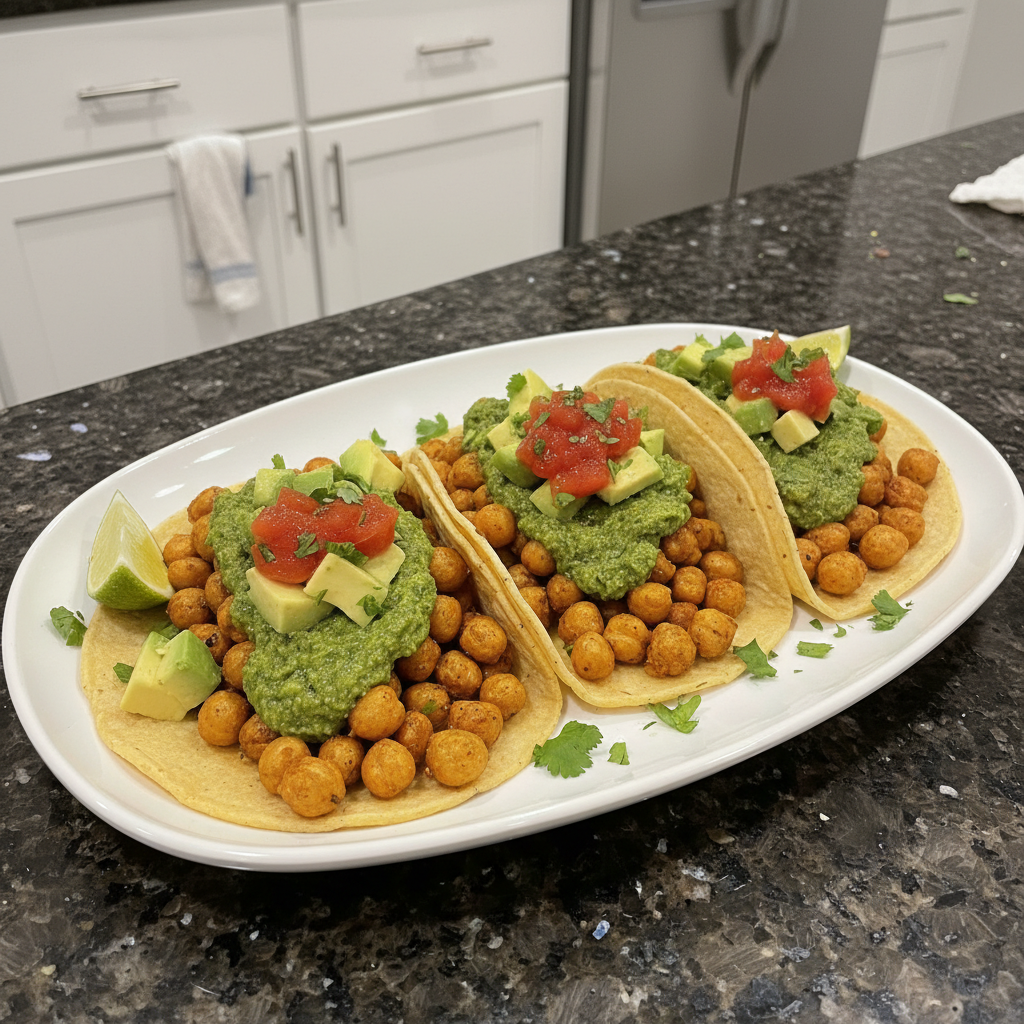
Imagine biting into a juicy slice of mango, dripping with a vibrant, complex sauce that’s sweet, sour, spicy, and salty all at once. That’s the magic of chamoy sauce! This popular Mexican condiment is incredibly versatile, adding a burst of flavor to everything it touches. And now, you can easily make your own chamoy sauce at home with this simple recipe. Get ready to elevate your snacks and drinks with this amazing homemade concoction!
Why You’ll Love This Homemade Chamoy Sauce Recipe
This isn’t just any chamoy sauce recipe. I’ve added a special twist that takes it to the next level. Here’s why you’ll keep coming back to this recipe:
Unique Citrus Twist: The secret ingredient? A touch of orange zest and juice! This brightens the flavor profile, complementing the lime and creating a more complex and incredibly refreshing taste.
Perfectly Balanced Flavor: Experience the vibrant dance of sweet, sour, spicy, and salty notes, all harmonized by the citrusy undertones. It’s a taste sensation!
Easy to Make: Don’t be intimidated! This recipe is surprisingly simple and comes together quickly. You’ll be enjoying your own homemade chamoy in no time.
Incredibly Versatile: Use this chamoy sauce on fruits, in drinks like micheladas and mangonadas, or as a flavor enhancer for tacos and snacks. The possibilities are endless!
Authentic Mexican Flavor: This recipe captures the authentic taste of Mexico with a delightful homemade touch.
Ingredients Needed
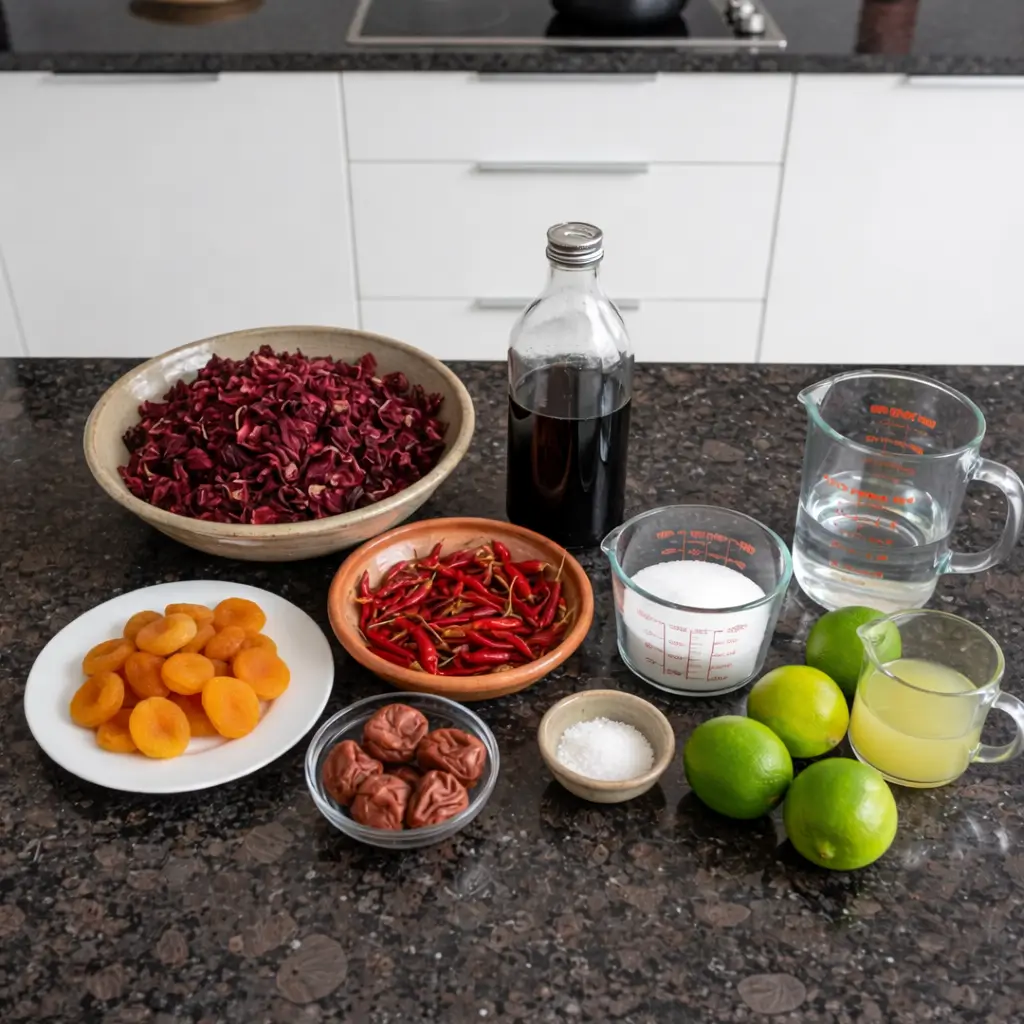
- 1 ounce (30g) dried hibiscus (about 1 cup)
- 3 ounces (85g) dried apricots (about 10 to 15)
- 4 umeboshi (2 ounces; 55g), pitted
- 1/4 cup sugar (2 ounces; 55g), plus more as needed
- 4 dried chiles de árbol, stemmed and seeded
- 1 tablespoon (15ml) tamarind concentrate
- 2 tablespoons (18g) Diamond Crystal kosher salt, plus more as needed (for table salt use half as much by volume or the same weight)
- 3 cups (710ml) water
- 1/2 cup (120ml) fresh lime juice, plus more as needed
Ingredient Notes & Substitutions
Let’s talk ingredients! Here are a few notes and substitutions to help you create the perfect chamoy:
Dried Hibiscus: You can find dried hibiscus, also known as Jamaica flowers, at Mexican grocery stores or online retailers. More information about the hibiscus flower can be found on Wikipedia.
Dried Apricots: Any variety of dried apricots will work, but I prefer using unsulfured apricots for a more natural flavor.
Umeboshi: These are Japanese pickled plums with a distinct salty and sour flavor. If you can’t find them, here are a few options:
- Umeboshi Paste: You can use umeboshi paste, adjusting the amount to taste. Start with a small amount and add more until you reach your desired level of saltiness and sourness.
- Alternative: In a pinch, you can use a combination of salt and lime juice to try and mimic the flavor, but it won’t be exactly the same.
Chiles de Arbol: These dried chilies pack a punch! The amount you use will determine the heat level of your chamoy sauce. Remember that the heat can vary depending on the specific chilies you use.
Tamarind Concentrate: There are different types of tamarind concentrate available (Mexican, Thai, or Indian). If possible, I recommend using the Mexican variety. The consistency and sourness can vary between brands, so adjust to taste.
How to Make Chamoy Sauce
Ready to get started? Here’s how to make your own delicious chamoy sauce:
Step 1: Combine Ingredients
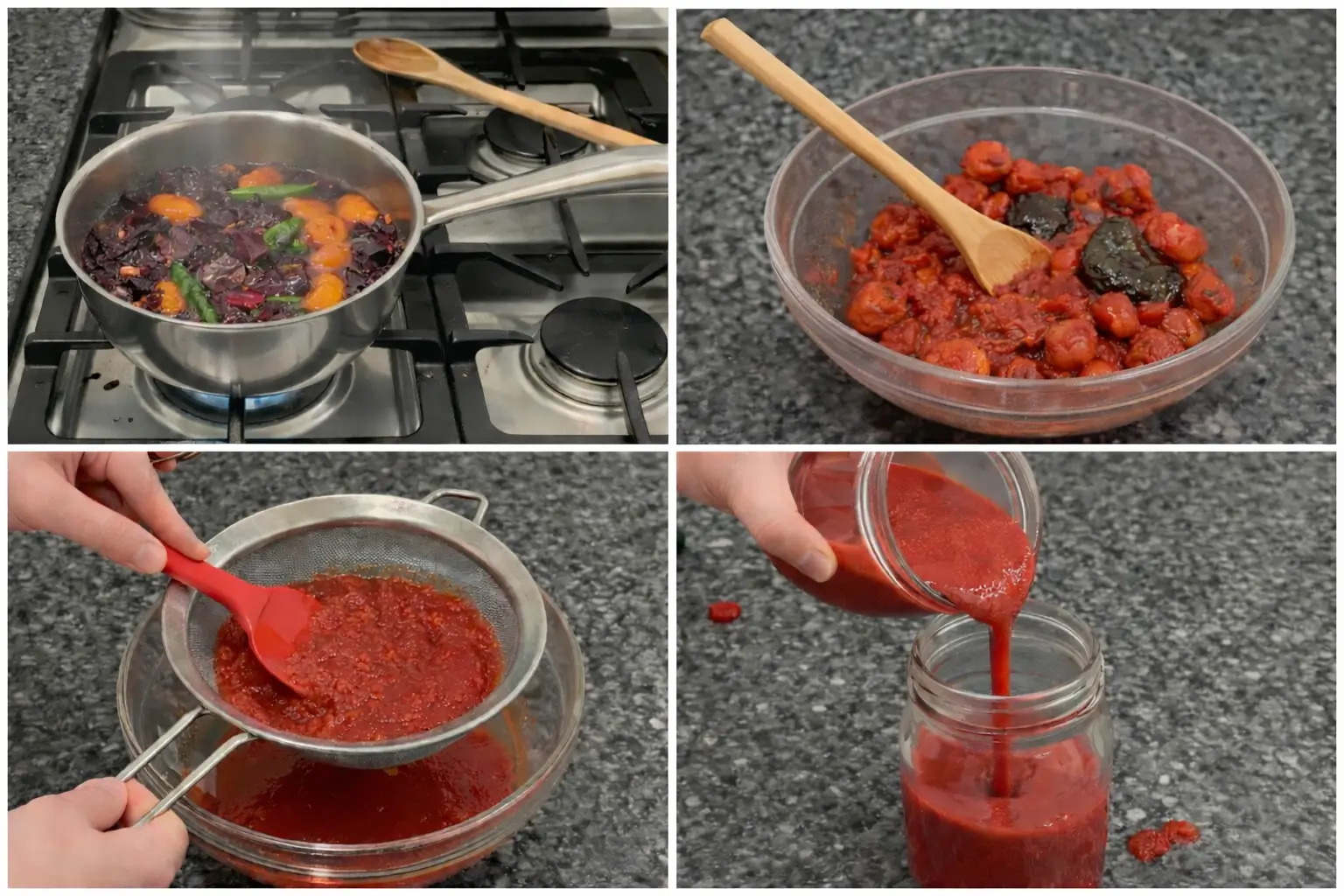
In a 3-quart saucepan or saucier, combine the dried hibiscus, dried apricots, pitted umeboshi, sugar, stemmed and seeded chiles de árbol, tamarind concentrate, salt, and water. The vibrant colors of the hibiscus and apricots create a beautiful base, and the initial aromas are already enticing.
Step 2: Simmer
Bring the mixture to a simmer over medium-high heat. Once simmering, cover the pot, lower the heat to maintain a gentle simmer, and cook for 15 minutes. You’ll notice the liquid bubbling and thickening slightly as the flavors meld together.
Step 3: Cool
Remove the saucepan from the heat and let the mixture cool slightly. As it cools, the aroma will intensify, making your kitchen smell absolutely amazing.
Step 4: Blend
Carefully transfer the contents of the pot to a blender. Add the fresh lime juice. As the lime juice mixes in, you’ll see a beautiful change in color and texture.
Step 5: Puree
Starting at the lowest speed, gradually increase the speed of the blender to high. Blend, stopping to scrape down the sides as needed, until you achieve a very smooth puree. The result is a vibrant, smooth sauce that’s ready to be tasted!
Step 6: Taste and Adjust
Now comes the fun part! Taste the chamoy sauce and adjust the flavorings and consistency as needed. Blend in more salt, sugar, lime juice, and/or water until you reach your desired consistency and flavor. Remember, chamoy should be boldly salty, tart, sweet, and spicy. Don’t be afraid to experiment and find your perfect balance!
Step 7: Store
Scrape the finished chamoy sauce into an airtight container and refrigerate until you’re ready to use it.
Adjusting Consistency and Flavor
One of the best things about making your own chamoy sauce is the ability to customize it to your exact preferences. Here’s how to fine-tune the consistency and flavor:
Thinning the Sauce: If you prefer a thinner sauce for drizzling, simply add water, a tablespoon at a time, until you reach your desired consistency.
Thickening the Sauce: For a thicker sauce, simmer it for a longer period of time. Keep in mind that this will concentrate the flavors, so you may need to re-adjust the seasonings afterwards.
Adjusting Heat: Control the spiciness by adjusting the amount of dried chiles de árbol. For a milder sauce, use fewer chilies or remove the seeds and membranes more thoroughly. For extra heat, add more chilies or use a spicier variety.
Balancing Sweetness: The perfect chamoy sauce has a balance of sweet, sour, spicy, and salty flavors. If your sauce is too tart, add a little more sugar. If it’s too sweet, add a squeeze of lime juice.
Pro Tips & Troubleshooting
Pro Tips
- Use high-quality ingredients for the best flavor.
- Taste and adjust seasonings throughout the cooking process.
- Don’t be afraid to experiment with different chile varieties for varying heat levels.
- For a smoother sauce, strain it through a fine-mesh sieve after blending.
- To enhance the citrus notes even further, consider adding a pinch of orange zest during the blending stage. This will reinforce the unique twist and add an extra layer of flavor.
- Use a high-powered blender for the smoothest possible texture.
Common Mistakes to Avoid
- Not seeding the chiles de árbol (makes the sauce too spicy).
- Over-blending the sauce (can make it bitter).
- Not allowing the sauce to cool slightly before blending (can cause splattering).
- Not adding too much salt at once (add gradually and taste).
Serving & Storage
Serving Ideas
Here are some delicious ways to enjoy your homemade chamoy sauce:
- Spooned onto fresh fruit like sliced mango, pineapple, or guava.
- Used in refreshing micheladas.
- A key ingredient in chamoyadas.
- Featured in a delicious mangonada.
- Drizzled over tacos or elotes.
- As a glaze for grilled chicken or fish.
- As a dip for chips or vegetables.
Storage and Make-Ahead
- Fridge: Store in an airtight container in the refrigerator for up to 2 weeks.
- Freezer: The sauce can be frozen for up to 2 months. Thaw overnight in the refrigerator before using.
- Make-Ahead: The sauce can be made a day or two in advance. The flavors will meld and deepen over time.
Conclusion
This homemade chamoy sauce recipe, with its special citrus twist, is a game-changer! It’s easy to make, bursting with flavor, and incredibly versatile. Even if you’re a novice cook, you can easily master this recipe and customize the flavors to your liking. So go ahead, experiment with different fruit pairings or serving ideas, and get ready to experience the magic of homemade chamoy. If you enjoyed this recipe, share it with your friends and family!
If you are looking for more recipes with a zesty twist, check out our other recipes.
FAQ
Here are some frequently asked questions about chamoy sauce:
What is chamoy sauce made of?
Chamoy sauce is typically made from a combination of dried fruits (like hibiscus and apricots), chilies, sugar, and lime juice. The specific ingredients and proportions can vary, but these are the basics.
What can I substitute for umeboshi plums in chamoy?
If you can’t find umeboshi plums, you can use umeboshi paste or a combination of salt and lime juice as a substitute. Keep in mind that the flavor won’t be exactly the same, but it will provide a similar salty and sour element.
To understand more about the fermentation process of similar products, you might find information on sites discussing fermented foods useful.
How long does homemade chamoy sauce last?
Homemade chamoy sauce will last for up to 2 weeks in the refrigerator or up to 2 months in the freezer.
How spicy is chamoy sauce, and how can I adjust the heat?
The spiciness of chamoy sauce depends on the type and amount of chilies used. You can adjust the heat by using fewer chilies, removing the seeds and membranes, or choosing a milder variety of chili.
Is chamoy sauce vegan and gluten-free?
Yes, this recipe is naturally vegan and gluten-free.
What are the best ways to use chamoy sauce?
Chamoy sauce is incredibly versatile! Some popular uses include drizzling it on fresh fruit, using it in drinks like micheladas and mangonadas, and serving it as a dip for chips or vegetables. It can also be used as a glaze for grilled meats or as a topping for tacos and elotes.
For a fun party idea, you can even use chamoy sauce on sweet potato nachos!
Can I use umeboshi paste instead of whole plums?
Yes, you can. Start with a small amount and adjust to taste because the concentration and salt levels vary between brands of paste.
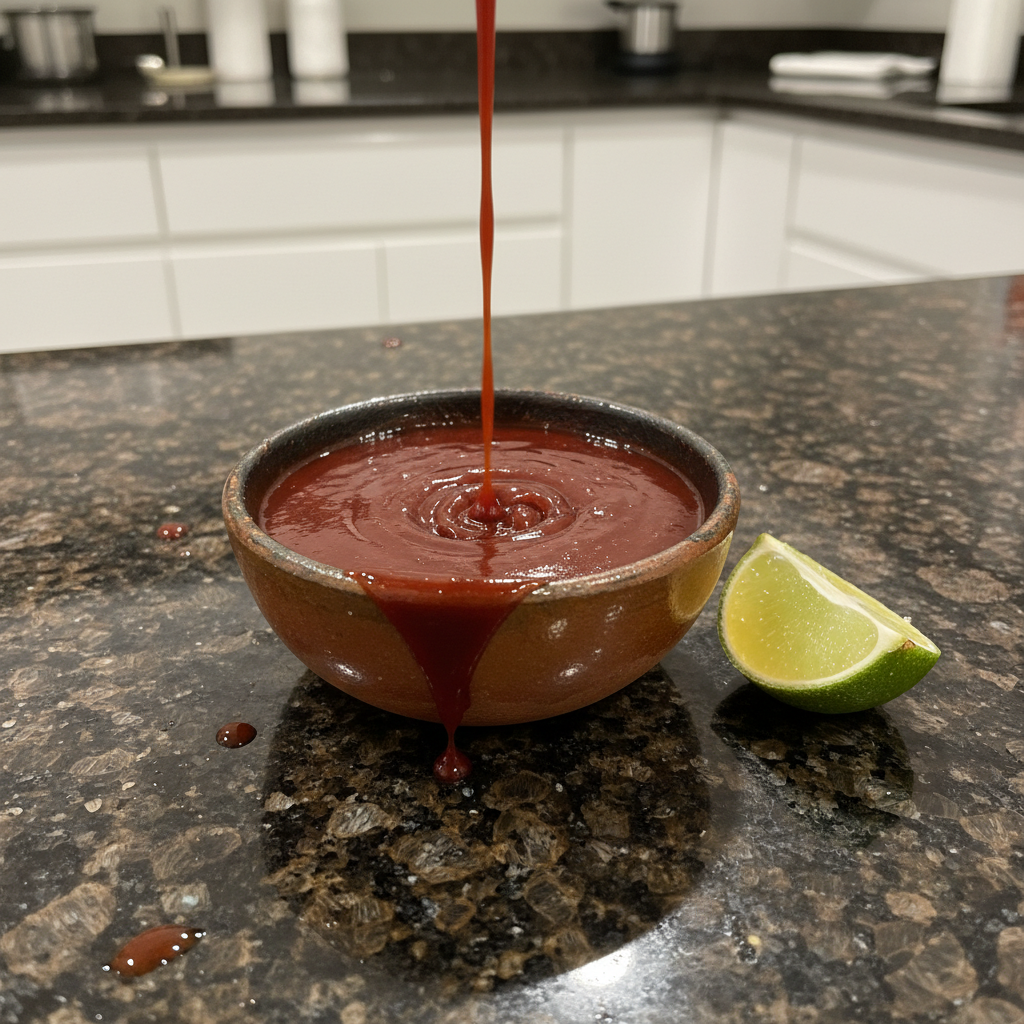
Best Homemade Chamoy Sauce Recipe (Easy & Delicious!)
Ingredients
Equipment
Method
- In a 3-quart saucepan or saucier, combine the dried hibiscus, dried apricots, pitted umeboshi, sugar, stemmed and seeded chiles de árbol, tamarind concentrate, salt, and water.
- Bring the mixture to a simmer over medium-high heat. Once simmering, cover the pot, lower the heat to maintain a gentle simmer, and cook for 15 minutes.
- Remove the saucepan from the heat and let the mixture cool slightly.
- Carefully transfer the contents of the pot to a blender. Add the fresh lime juice.
- Starting at the lowest speed, gradually increase the speed of the blender to high. Blend, stopping to scrape down the sides as needed, until you achieve a very smooth puree.
- Taste the chamoy sauce and adjust the flavorings and consistency as needed. Blend in more salt, sugar, lime juice, and/or water until you reach your desired consistency and flavor.
- Scrape the finished chamoy sauce into an airtight container and refrigerate until you’re ready to use it.
Notes

Lia Monet is a food blogger, recipe developer, and the founder of EasyAsMeals, a food blog focused on easy recipes, quick dinners, and everyday home cooking. She creates tested, family-friendly recipes using simple ingredients to help busy families cook affordable and delicious meals at home.