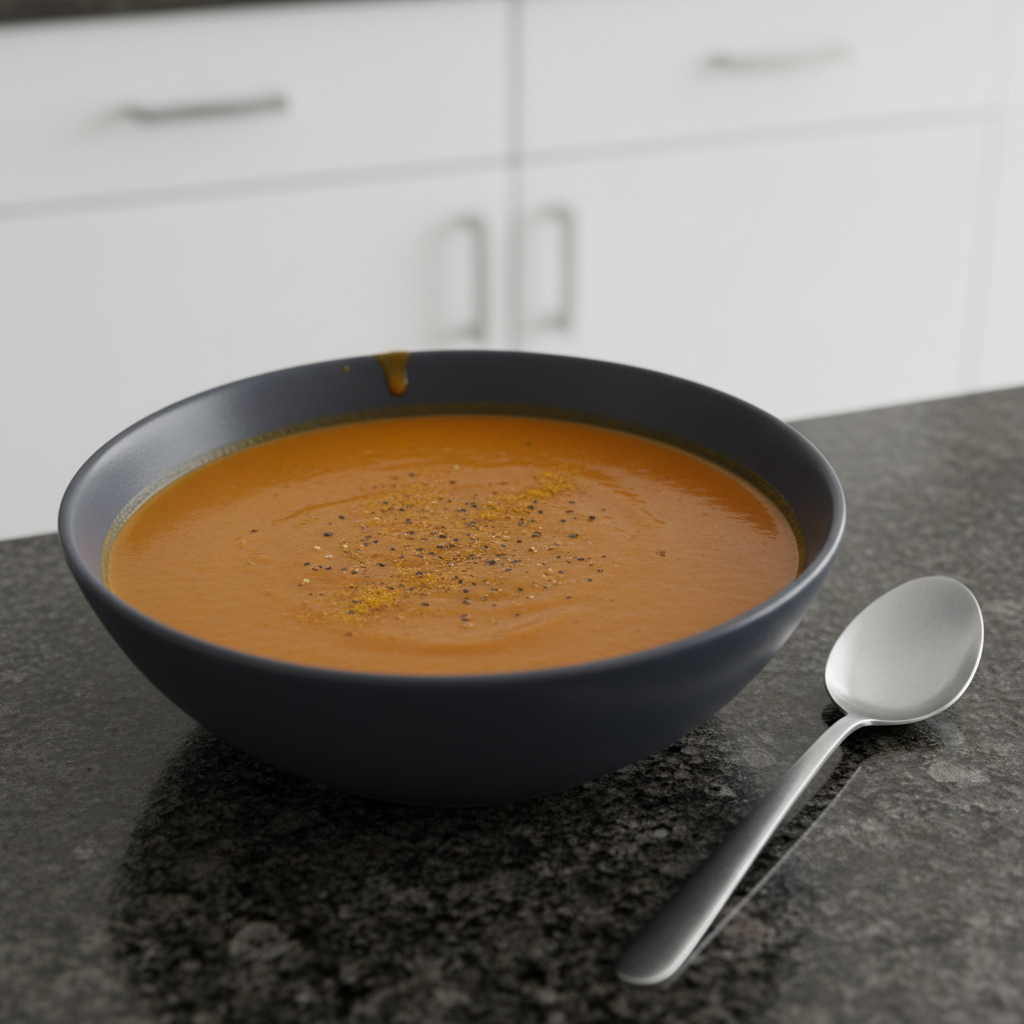
There’s nothing quite like a bowl of creamy, comforting soup on a chilly day. This classic dish is a staple in my kitchen, and I’m excited to share my foolproof potato soup recipe with you. It’s incredibly easy to make, uses simple ingredients, and delivers a rich, satisfying flavor that everyone will love. Whether you’re a seasoned cook or just starting out, this recipe will guide you through each step, ensuring a perfect pot of potato soup every time. Plus, I’ll let you in on a little secret for achieving the ultimate creamy texture!
Why You’ll Love This Creamy Potato Soup Recipe
This potato soup recipe isn’t just any recipe; it’s designed for simplicity and maximum flavor. What makes it stand out? I’m using an immersion blender directly in the pot!
Effortless Creaminess: This recipe uses an immersion blender for a perfectly smooth and creamy texture without any extra steps or dirtying a separate blender. It’s all done right in the pot!
Easy to Make: Even beginner cooks can master this recipe. The steps are straightforward and the ingredients are readily available.
Budget-Friendly: This recipe relies on simple, affordable ingredients, making it a great option for a comforting meal without breaking the bank.
Comforting and Satisfying: Few things are as satisfying as a warm bowl of creamy potato soup on a cold day. This recipe delivers on that comfort in every spoonful.
Ingredients Needed

- 2 pounds potatoes, peeled and cubed
- 1 medium onion, chopped
- 2 cloves garlic, minced
- 4 tablespoons butter
- 4 cups chicken broth
- 1 cup milk
- 1 cup heavy cream
- Salt and pepper to taste
- Optional toppings: shredded cheddar cheese, chopped chives, bacon bits
Ingredient Notes & Substitutions
Dairy-Free Option: For a dairy-free version, substitute the milk and cream with coconut milk or other plant-based alternatives. Use vegan butter.
Gluten-Free Option: This recipe is naturally gluten-free. Ensure your broth or bouillon is also gluten-free.
Potato Types: Russet potatoes create a very creamy texture. Yukon Gold potatoes offer a slightly firmer texture and buttery flavor. For more information, you can read about different types of potatoes and their uses.
Regional Alternatives: Use yellow onions if white onions are unavailable. Different brands of chicken broth will impart slightly different flavor notes.
How to Make Potato Soup
Sauté the Aromatics
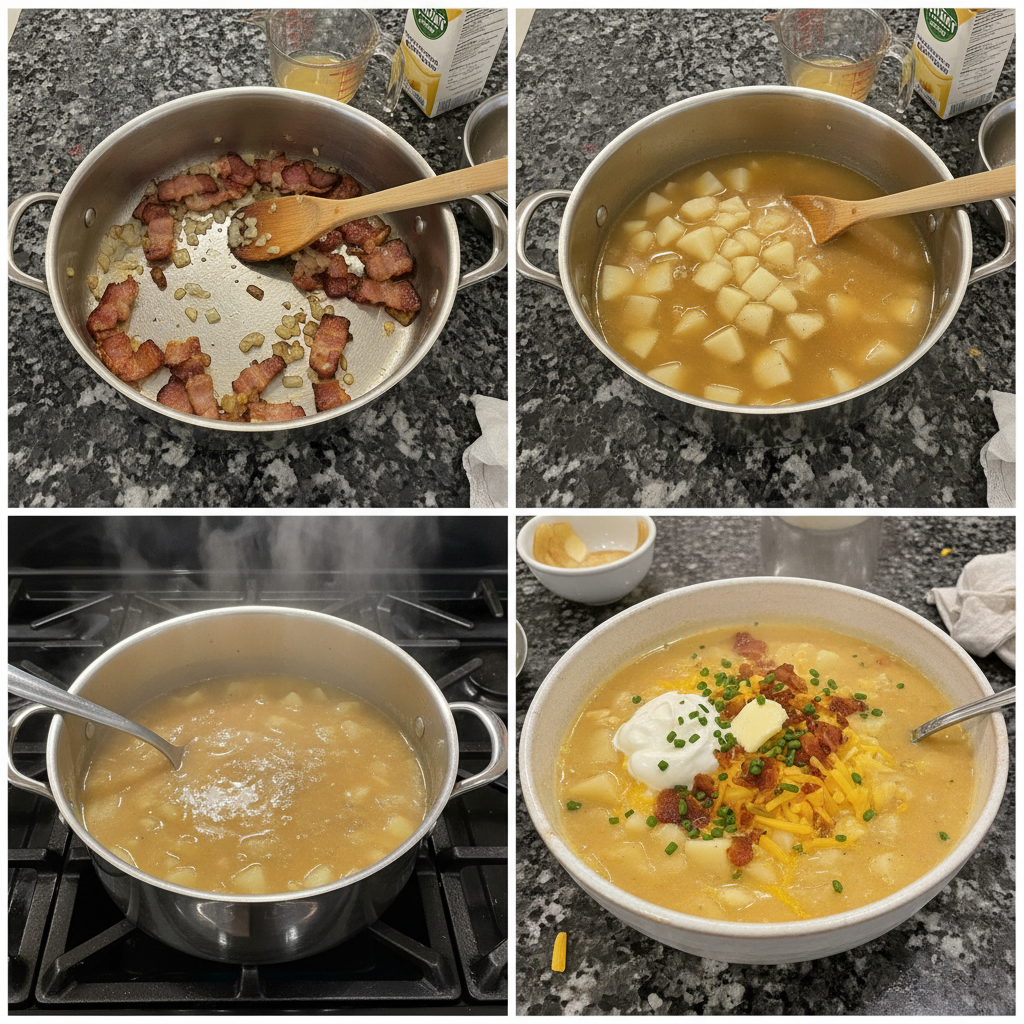
In a large pot or Dutch oven, melt the butter over medium heat. Add the chopped onion and cook until it becomes translucent and fragrant, about 5-7 minutes. Be careful not to burn the butter.
Add the minced garlic and cook for another minute until fragrant.
Simmer the Soup
Add the cubed potatoes and chicken broth to the pot. Bring the mixture to a boil, then reduce the heat to low, cover, and simmer until the potatoes are fork-tender, about 15-20 minutes.
Blend for Creaminess
Once the potatoes are tender, remove the pot from the heat. Use an immersion blender to blend the soup until it reaches your desired consistency. Be careful to avoid splattering while blending.
Finish and Season
Stir in the milk and heavy cream. Season with salt and pepper to taste. Warm the dairy before adding it into the soup to prevent curdling. Heat gently over low heat, being careful not to boil. The soup should be thick and creamy after blending.
Variations and Add-Ins
One of the best things about this potato soup recipe is how versatile it is! Feel free to experiment with different add-ins to customize the flavor to your liking.
Cheese: Add shredded cheddar, parmesan, or Gruyere cheese for a richer, cheesier flavor. Stir it in after blending for best results.
Protein: Cooked bacon, ham, or sausage can add a savory, hearty element to the soup. Crumble and sprinkle on top or stir it in.
Vegetables: Corn, broccoli florets, or diced carrots can add texture and nutrients. Add them during the last 10 minutes of simmering time.
Spice: A pinch of red pepper flakes or a dash of hot sauce can add a welcome kick.
Low Carb/Keto Adaptation: Substitute cauliflower for some of the potatoes and add a dollop of cream cheese for extra creaminess.
Pro Tips & Troubleshooting
Pro Tips
- Use high-quality broth for the best flavor.
- Don’t overcook the potatoes; they should be fork-tender.
- Sauté the onions until they are soft and translucent for optimal flavor.
- If using an immersion blender, blend carefully to avoid splattering.
- Taste and adjust seasoning as needed, especially salt and pepper.
- For an even richer flavor, try browning the butter before adding the onions. This adds a nutty depth to the soup. You can learn more about the science of browning butter.
Common Mistakes to Avoid
- Burning the butter or onions: Use medium heat and stir frequently.
- Overcooking the potatoes: Check for doneness regularly.
- Not seasoning properly: Taste and adjust throughout the cooking process.
- Adding cold milk or cream: Warm the dairy slightly before adding to prevent curdling.
Serving & Storage
Serving Ideas
- Garnish with chopped chives or green onions.
- Top with shredded cheese (cheddar, Monterey Jack).
- Serve with a dollop of sour cream or Greek yogurt.
- Accompany with crusty bread or grilled cheese sandwiches.
- Serve alongside a fresh side salad.
- Pair with roasted vegetables for a complete meal.
Storage and Make-Ahead
Refrigerate leftover soup in an airtight container for up to 3-4 days.
Freeze cooled soup in freezer-safe containers for up to 2-3 months. Thaw overnight in the refrigerator before reheating.
Reheat gently on the stovetop or in the microwave, stirring occasionally.
Conclusion
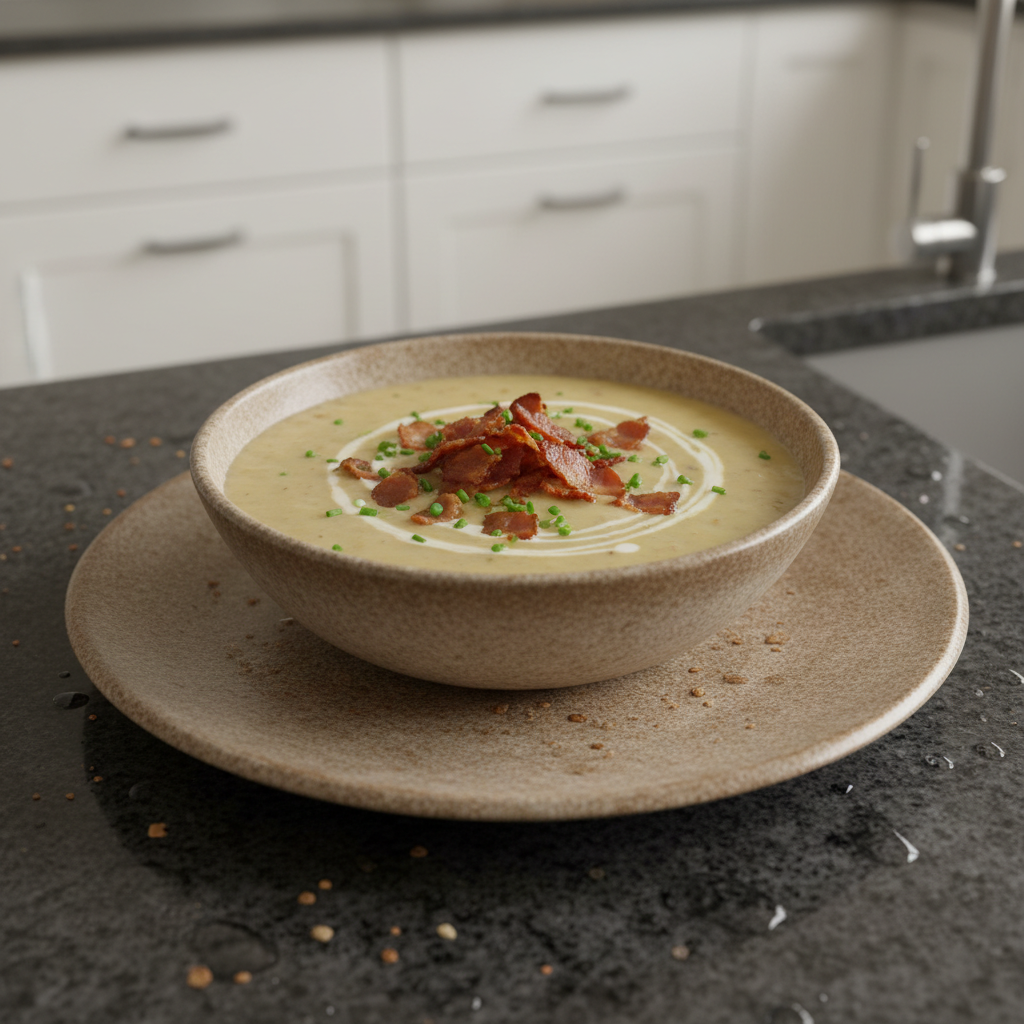
This creamy potato soup recipe is a guaranteed crowd-pleaser. The simplicity of the ingredients combined with the easy immersion blending technique makes it a go-to meal in my kitchen. Don’t be afraid to experiment with different toppings and add-ins to make it your own. Whether you’re a beginner cook or a seasoned pro, this recipe is foolproof and delicious. Print the recipe or share it with friends!
FAQ
Can I make this potato soup vegetarian/vegan?
Yes, you can easily make this soup vegetarian or vegan by using vegetable broth instead of chicken broth, plant-based milk and cream alternatives, and vegan butter.
How do I prevent my potato soup from being too thick?
If your potato soup is too thick, simply add more broth or milk until it reaches your desired consistency. Stir well to combine.
Can I use an alternative to milk or cream?
Yes, you can use half-and-half, almond milk, coconut milk, or any other milk alternative in place of milk and cream.
How do I freeze potato soup?
Allow the soup to cool completely before transferring it to freezer-safe containers or bags. Leave some room at the top, as the soup will expand when frozen. Thaw overnight in the refrigerator before reheating.
What are good toppings for potato soup?
Some popular toppings include shredded cheddar cheese, chopped chives or green onions, bacon bits, sour cream, and croutons.
How can I make this soup in a slow cooker?
You can adapt this recipe for a slow cooker by adding all ingredients except the milk and cream to the slow cooker. Cook on low for 6-8 hours or on high for 3-4 hours, or until potatoes are tender. Then, use an immersion blender to blend the soup, and stir in the milk and cream before serving.
Speaking of slow cookers, have you tried slow cooker chicken noodle soup?
Best Creamy Potato Soup Recipe (Easy & Flavorful)
Ingredients
Equipment
Method
- In a large pot or Dutch oven, melt the butter over medium heat.
- Add the chopped onion and cook until it becomes translucent and fragrant, about 5-7 minutes. Be careful not to burn the butter.
- Add the minced garlic and cook for another minute until fragrant.
- Add the cubed potatoes and chicken broth to the pot. Bring the mixture to a boil, then reduce the heat to low, cover, and simmer until the potatoes are fork-tender, about 15-20 minutes.
- Once the potatoes are tender, remove the pot from the heat. Use an immersion blender to blend the soup until it reaches your desired consistency. Be careful to avoid splattering while blending.
- Stir in the milk and heavy cream. Season with salt and pepper to taste. Warm the dairy before adding it into the soup to prevent curdling. Heat gently over low heat, being careful not to boil. The soup should be thick and creamy after blending.
Notes

Lia Monet is a food blogger, recipe developer, and the founder of EasyAsMeals, a food blog focused on easy recipes, quick dinners, and everyday home cooking. She creates tested, family-friendly recipes using simple ingredients to help busy families cook affordable and delicious meals at home.